
Loading...
Loading...





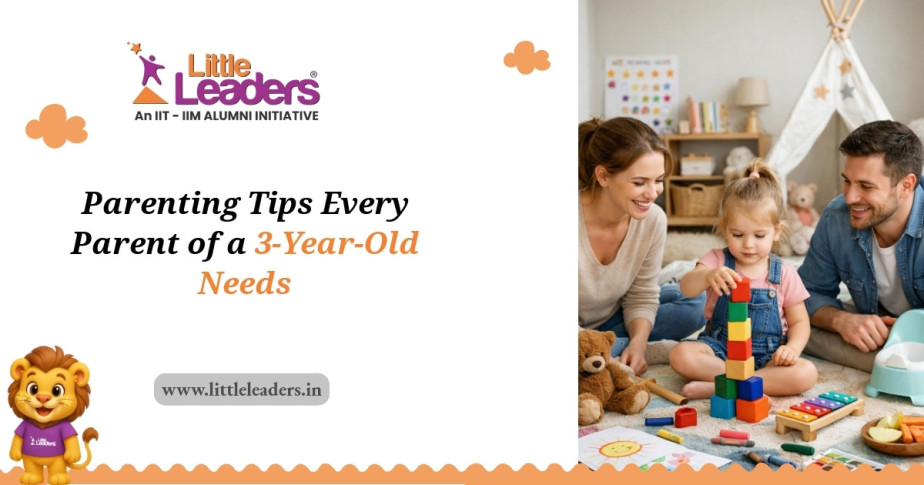
Imagine the scene: it is a sunny afternoon, and three-year-old Aarav is enthusiastically building a tower of colorful blocks in the living room. Every time a block topples, his giggles fill the room, a sound that brings warmth to a parents heart. Parenting a three-year-old is filled with moments like these, where joy intertwines with challenges. Navigating this stage requires patience, creativity, and a touch of strategy. This is where parenting tips every parent of a three-year-old needs come into play, offering guidance through this delightful yet demanding phase.
As parents, you might often find yourselves wondering how to best support the growth and curiosity of your three-year-old. Questions about discipline, educational play, and social interactions often surface during this stage. These are not just passing thoughts, but crucial aspects of nurturing a child who is beginning to explore the world with newfound independence and imagination.
In this article, you will discover practical, tried-and-tested parenting tips that will help you nurture your three-year-olds development. From managing tantrums to encouraging learning through play, these insights will equip you with the tools you need to confidently support your childs journey.
Below is a roadmap to the insights and strategies that will transform your parenting journey.
Three-year-olds are little explorers, constantly testing boundaries and seeking to understand their surroundings. At this age, children are developing rapidly in terms of language, motor skills, and social interactions. It is crucial for parents to recognize that these explorations are a normal part of development. Encouraging curiosity while setting safe boundaries helps children learn and grow in a secure environment.
Consider the case of Anaya, a lively three-year-old who loves to ask questions about everything she sees. Her mother, Priya, encourages this curiosity by providing simple explanations and allowing Anaya to explore under supervision. This approach not only satisfies Anayas curiosity but also builds her confidence in understanding the world around her. For instance, when Anaya sees a butterfly, Priya takes the time to explain how butterflies are born from caterpillars, fostering a love for nature and learning.
One common mistake many parents make is underestimating the importance of play in their childs learning process. Parents might think that structured activities are more beneficial than free play. However, free play allows children to use their imagination and creativity, which are essential for cognitive development. For example, when three-year-old Riya is allowed to play with her dolls and create stories, she is not only having fun but also developing her storytelling skills and emotional understanding.
To avoid this mistake, parents should prioritize unstructured playtime alongside structured activities. Encourage your child to engage in imaginative play, as this nurtures creativity and problem-solving skills. Setting aside time for free play each day can make a significant difference in your childs development.
Understanding developmental milestones is crucial for parents. At three years old, children are typically becoming more verbal, using simple sentences, and expressing their thoughts more clearly. By age five, you can expect them to form more complex sentences and engage in conversations with others. At age seven, children often start developing critical thinking skills and can articulate their feelings and opinions more effectively.
Being aware of these milestones helps parents set realistic expectations for their childs behavior and communication. For example, if your three-year-old struggles to express themselves verbally, it is essential to remember that they are still developing these skills. Engaging them in conversations, reading together, and encouraging them to express their thoughts can aid in their language development.
Communication with a three-year-old can sometimes feel like deciphering a new language. At this stage, children understand more than they can express, which can lead to frustration on both sides. To bridge this gap, parents should focus on using clear, simple language and be patient listeners.
For example, when three-year-old Rohan struggles to express his feelings, his father, Amit, uses a technique called reflective listening. By repeating what Rohan says and adding context, Amit helps Rohan articulate his thoughts, leading to fewer tantrums and more meaningful conversations. This technique can be applied in everyday situations, such as when Rohan expresses frustration over a toy. Amit can say, I hear you are upset because the toy is not working, which helps Rohan feel understood.
Play is not just a way to pass the time for three-year-olds, it is a vital part of their learning process. Through play, children develop cognitive skills, creativity, and social understanding. Parents can enhance this experience by providing a variety of play options that stimulate different areas of development.
Take the example of Veer, a three-year-old who loves building blocks. His parents noticed how this activity not only entertains him but also improves his problem-solving skills and hand-eye coordination. By rotating different types of toys and incorporating educational games, Veers parents ensure a balanced playtime that promotes holistic development. For instance, they might introduce puzzles that challenge Veer to think critically while still allowing him to enjoy his block-building activities.
Tantrums are a common occurrence in the life of a three-year-old and often a source of stress for parents. Understanding that tantrums are a form of communication can help parents respond with empathy rather than frustration. A calm and composed approach can turn these challenging moments into opportunities for teaching emotional regulation.
When Aarav throws a tantrum because he cannot have a cookie before dinner, his mother, Neha, calmly explains the situation and offers a healthy alternative. This not only diffuses the situation but also teaches Aarav about making healthier choices. Neha might say, I know you want a cookie, but dinner is coming soon. How about some carrot sticks while we wait? This approach helps Aarav learn about patience and healthy snacking.
Three-year-olds are beginning to assert their independence, often insisting on doing things themselves. While this is an essential part of development, it is important for parents to ensure that this independence is nurtured in a safe environment. Providing opportunities for children to make choices and accomplish tasks on their own fosters confidence and self-esteem.
For instance, when Aanya wants to dress herself, her father, Raj, lays out two outfit choices. This simple act of allowing Aanya to choose empowers her while ensuring that her clothing is appropriate for the days weather and activities. By giving her the freedom to choose, Aanya learns to make decisions and takes pride in her ability to dress herself.
Social interactions play a crucial role in the development of a three-year-old. Encouraging playdates and group activities helps children learn to share, cooperate, and develop friendships. These experiences are foundational for building social skills that will benefit them throughout life.
During a playdate, Maya, a friendly three-year-old, learns to take turns with her toys. Her mother, Sita, uses this opportunity to teach Maya about sharing and empathy, reinforcing positive social behaviors that will serve her well in future interactions. Sita might say, It is great that you let your friend play with your toy. Sharing makes playtime more fun for everyone. This positive reinforcement encourages Maya to continue sharing in the future.
Emotional intelligence is the ability to understand and manage ones emotions and the emotions of others. For three-year-olds, developing this skill is crucial for forming healthy relationships and coping with lifes challenges. Parents can nurture emotional intelligence by modeling empathy and teaching children to recognize and express their feelings.
When three-year-old Arya feels upset because her favorite toy is broken, her father, Vikram, acknowledges her feelings and helps her express them. By doing so, Arya learns that it is okay to feel sad and that expressing emotions is a healthy way to deal with them. Vikram might say, I see you are sad about your toy. It is okay to feel that way. How about we try to fix it together? This approach not only validates Aryas feelings but also teaches her problem-solving skills.
As parents, it is essential to recognize the signs of progress in your childs development. At three years old, look for improvements in language skills, such as using longer sentences and expressing thoughts more clearly. You might also notice increased independence, as your child begins to perform simple tasks on their own, like dressing or helping with chores.
Another sign of progress is social interaction. If your child is beginning to initiate play with peers, share toys, and express emotions appropriately, these are all positive indicators of development. Tracking these milestones can help you understand your childs growth and identify areas where they may need additional support. For example, if your three-year-old struggles to communicate their needs, it may be beneficial to engage them in more conversations or seek guidance from a speech therapist.
While most developmental milestones are met within a typical range, some children may need extra support. If you notice persistent difficulties in communication, social interactions, or emotional regulation, it may be time to seek professional help. Signs that warrant further evaluation include a lack of interest in social play, difficulty expressing emotions, or significant delays in speech development.
Consulting with a pediatrician or child psychologist can provide valuable insights and resources. They can help determine if your child may benefit from speech therapy, occupational therapy, or other interventions. Early intervention is key in addressing developmental concerns, so do not hesitate to reach out for support if needed.
In todays digital age, managing screen time is a challenge many parents face. While technology can be educational and entertaining, it is important to ensure that screen time is balanced with other activities that promote physical and mental well-being. Setting limits and choosing age-appropriate content are essential steps in maintaining this balance.
For example, Neeta allows her son, Kunal, to watch educational videos for a limited time each day. She pairs this with outdoor play and reading time, ensuring that Kunals development is well-rounded and not overly dependent on screens. Neeta might say, We will watch our show after we play outside for a while. This helps Kunal understand the importance of balancing screen time with physical activity.
Adopting these parenting tips can transform your experience with your three-year-old, turning challenges into opportunities for growth and connection. Picture a scene where you and your three-year-old are engaged in a joyful activity, building a fort with blankets and cushions. You share laughter, creativity, and learning, all while strengthening your bond. As you implement these strategies, remember that LittleLeaders.in is a valuable resource for further support and guidance.
Encouraging a three-year-old to share involves modeling the behavior yourself. Use playdates as opportunities to teach sharing by praising your child when they share and gently reminding them when they do not. You can also set up games that require taking turns, reinforcing the idea that sharing is fun and beneficial for everyone involved.
Effective discipline for a three-year-old includes setting clear boundaries and using positive reinforcement. Redirecting negative behavior and explaining consequences in simple terms can also be beneficial. For example, if your child throws a toy, calmly explain why it is not acceptable and offer an alternative way to express their frustration, such as using words instead of actions.
Managing screen time involves setting clear limits and ensuring content is age-appropriate. Balance screen time with physical activities and reading to promote a well-rounded development. Create a daily schedule that includes time for outdoor play, reading, and screen time, helping your child understand the importance of variety in their daily activities.
Activities that promote social skills include playdates, group games, and team sports. Encourage your child to participate in activities where they can interact with peers, such as art classes or group play sessions. Role-playing scenarios at home can also help your child practice sharing, taking turns, and cooperating with others in a safe environment.
Supporting your three-year-olds emotional development involves acknowledging their feelings and teaching them to express emotions appropriately. Encourage open conversations about feelings and model empathy in your interactions. Use books and stories to discuss various emotions, helping your child understand and identify their feelings and those of others.