Loading...
Loading...





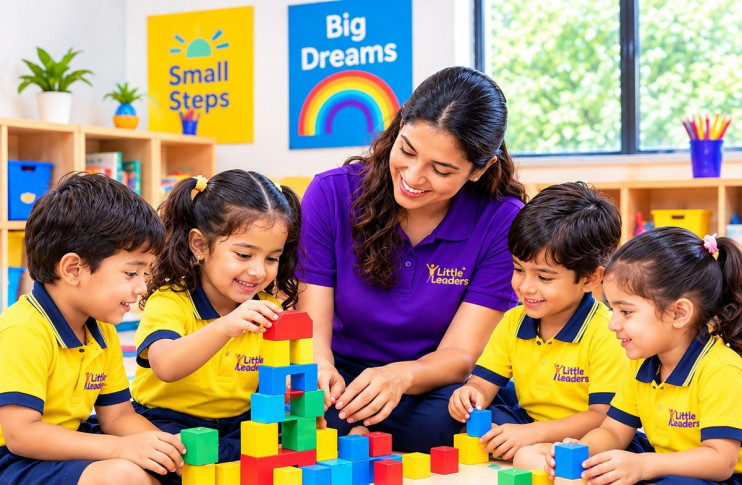
The first day of preschool is a big moment, for your child and for you. With the right preparation, it can feel exciting instead of scary. A little planning in the weeks before school starts can turn nervous energy into confidence. This guide walks you through a simple two-week countdown, practical routines, and gentle ways to ease separation anxiety. By the time the big day arrives, your child will feel ready, and so will you.
How you talk about preschool shapes how your child feels about it. Use happy, simple words like "fun," "friends," and "games" when school comes up in conversation. Avoid phrases that sound like warnings, such as "you have to behave."
Children pick up on tone more than words. If you sound calm and excited, families exploring a preschool in Andheri East, Mumbai will find it easier to pass that same confidence on to their child. Talk about school often in the weeks before it starts, not just the night before.
A step-by-step countdown takes the pressure off the final days. It gives your child time to adjust slowly instead of all at once.
15 Days Before: Shift bedtime and wake-up time closer to the school schedule. Visit the school if possible, so the building feels familiar.
7 Days Before: Practice the morning routine as if it were a real school day. Families considering a preschool in Chandivali, Mumbai can use this week to start short separations too.
The Night Before: Lay out the uniform, shoes, and bag together. Keep the evening calm and read a short bedtime story about school.
Morning of School: Wake up with enough time so the morning does not feel rushed. Keep breakfast light and avoid introducing anything new.
Children feel safe when they know what comes next. A predictable routine, with set times for waking, eating, and sleeping, builds that sense of security well before day one. Many parents using day care in Andheri East, Mumbai find that children settle in faster when home routines already match the school day.
Keep the routine consistent even on weekends if possible. This helps your child's body clock adjust naturally and makes the school schedule feel less like a sudden change.
Separation anxiety is easier to manage when it is not entirely new on the first day. Start with short separations, like leaving your child with a relative for an hour, and slowly increase the time apart. Always say goodbye clearly and calmly instead of sneaking away, since this teaches your child that you always come back.
Trust built this way is one of the biggest factors in a smooth preschool transition.
Picture books are a gentle way to introduce new experiences to young children. Choose stories about going to school, making friends, or saying goodbye to a parent. At a playschool in Andheri East, Mumbai, teachers often use this same approach to settle children into the classroom.
Little Leaders' own "Sneak Peek" picture book walks children through a normal preschool day, from arrival to playtime to pickup. Reading it together beforehand helps your child picture the day ahead with less fear of the unknown.
Children feel more confident when they feel involved in getting ready. Let your child pick their own school bag or water bottle, within reasonable options, and pack it together each day. This small participation builds a sense of ownership over the "going to school" routine.
Parents who also need full-day support, such as a creche in Andheri East, Mumbai, can extend this same involvement into packing meals or naptime items.
Avoid promising your child that preschool will be "fun every single day." A quiet, ordinary day can feel disappointing if expectations were too high. Instead, describe school honestly: some days will be exciting, some ordinary, and that is normal.
Also prepare your child for the idea that you will not be there with them. Honesty, delivered kindly, builds more trust than exaggerated promises, whether your family uses a school programme or a daycare in Chandivali, Mumbai for the full day.
Crying, clinging, or asking to go home on the first day is common and expected. Separation anxiety usually peaks around this age, since children are still learning that a parent leaving does not mean they are gone for good. This is a normal stage of development, not a sign that something is wrong.
Most children settle within the first few weeks as the routine becomes familiar, and a reassuring goodbye each day helps these feelings fade faster.
A calm, brief goodbye works better than a long, drawn-out one. Give your child a hug, say a simple goodbye phrase, and leave with confidence, even if there are tears. Little Leaders' Parent Handout walks parents through this exact onboarding step by step, from the first visit to the first full week.
For working parents, an on-site cowork in Andheri East, Mumbai space means you can stay close by while your child settles, which often eases first-day anxiety for both sides.
The environment a child walks into on day one matters as much as the preparation at home. A warm, structured setting helps anxious feelings settle faster than an unfamiliar one. This is why many parents call Little Leaders the best preschool in Andheri East, Mumbai for a first-school experience, and families from nearby areas look for a trusted preschool in Marol, Mumbai for the same reason.
A school that feels like a second home makes the first goodbye easier for everyone involved.
1. How do you know if your child is emotionally ready to start preschool?
Signs of readiness include separating from a parent for short periods, showing interest in other children, and managing basic needs with some support. Readiness is not strictly tied to age alone.
2. What essential skills should children develop before entering preschool?
Basic self-help skills like washing hands and eating independently help, along with social skills like sharing and taking turns. Teachers build on these further once school begins.
3. How can parents help a child overcome the fear of starting school?
Positive talk, visits to the school beforehand, and story books about preschool all help reduce fear. Short practice separations in the weeks before school also build confidence gradually.
4. How long does it typically take for children to settle into a new preschool?
Most children take a few days to a few weeks to feel fully comfortable. Consistent routines and calm goodbyes usually speed up this settling-in period.
5. What should parents do if their child cries every morning before school?
Keep goodbyes short, calm, and consistent rather than prolonging them. Daily crying usually fades within a couple of weeks, though it helps to check in with teachers if it continues.
6. How can working parents help children adjust to a preschool schedule?
Keeping wake-up times, meals, and bedtime consistent, even on weekends, helps children adjust faster. A school with facilities like on-site coworking spaces can also help parents stay close during the adjustment period.
7. How do teachers help children feel safe and comfortable in a new classroom?
Teachers use familiar routines, gentle encouragement, and engaging activities to help children settle in. A warm, predictable classroom reassures children that school is a safe place.
8. What should parents look for when choosing a preschool for their child's first school experience?
Look for a safe, nurturing environment, a clear curriculum, caring staff, and good communication with parents. Structured onboarding guidance adds extra reassurance during the first weeks.