
Loading...
Loading...





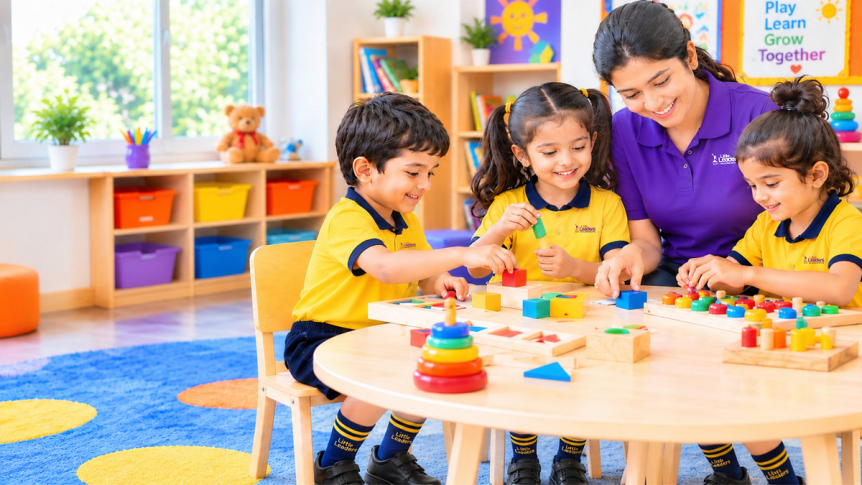
A child's early years shape how they think, feel and connect with others. During this time, parents and teachers both play a central role, but they only see part of the picture. When these two sides talk openly, children benefit the most. Good communication helps parents understand what happens at school, and helps teachers understand what happens at home. Little Leaders believes this partnership is the foundation of early learning, and this blog looks at why it matters so much.
Parents are a child's first teachers, long before school begins. They teach language, manners, and basic life skills through everyday moments at home. This early teaching lays the groundwork that a good preschool in Lucknow builds on later. When parents share this early history with teachers, the school gets a fuller picture of the child. Little Leaders encourages parents to see themselves as partners in education, not just caregivers who drop children off each day.
Teachers spend hours watching how a child behaves in a group setting. They notice things parents may miss at home, like how a child shares toys or handles small disagreements. At any good creche in Lucknow, a teacher might see a child struggle to sit still during storytime, or shine during art activities. These observations give parents insight they cannot get anywhere else. Sharing them regularly helps parents support their child's growth outside school hours too.
Parents also hold information that teachers cannot observe in a classroom. A change at home, a new sibling, a late bedtime, or a recent illness can all affect how a child behaves at school. When parents share these details with their child's daycare in Lucknow, teachers can respond with more patience and the right support. This two-way exchange is why regular conversations between home and school matter so much during early childhood.
Every child grows at their own pace, and tracking that progress needs input from both sides. The Centers for Disease Control and Prevention notes that developmental milestones should be checked regularly through early childhood, since gaps are easier to address when caught early. A good playschool in lucknow will flag a delay in speech or motor skills, while parents can confirm whether the same pattern shows up at home. Comparing notes this way builds a clearer picture of each child's development.
Sudden changes in behaviour often show up at school before they show up at home, or the other way around. A child who becomes withdrawn, anxious, or unusually aggressive is sending a signal worth noticing. At the best preschool in Lucknow, quick communication between parents and teachers means these signals get picked up early, not months later. This early response often prevents small concerns from growing into bigger ones.
Children settle faster when the rules at school and home feel familiar rather than confusing. If teachers and parents agree on basic expectations, like how to handle sharing or managing frustration, children get consistent guidance everywhere. This is one reason families often choose the best preschool in indira nagar, lucknow, since consistency between home and school starts with the right centre. Little Leaders works closely with parents through meetings and workshops to keep this alignment strong.
Technology has made staying informed much easier for busy parents. Parent portals and apps now allow real-time updates on meals, naps, activities, and daily moods. A modern daycare in indira nagar, Lucknow uses this kind of system so parents don't have to wait for a scheduled meeting to know how their child's day went. Little Leaders offers these real-time updates so parents feel connected to their child's day, even during a packed work schedule.
Strong partnerships between parents and schools are built through regular contact, not just annual meetings. Little Leaders holds open days, workshops, and family events throughout the year to keep this relationship active. Whether a family is looking at a playschool in indira nagar, Lucknow or a creche in indira nagar, Lucknow the same question usually comes up: how often will we hear from the teacher? Centres that treat parents as true partners tend to answer that question well, and that is the kind of partnership Little Leaders aims to build with every family.
Regular communication helps adults respond to a child's feelings consistently, both at home and at school. This consistency builds trust and gives children confidence to express themselves and interact with others.
Parents should share updates on sleep, eating habits, recent changes at home, and any concerns about speech or motor skills. Teachers can then connect these details with what they observe in class.
When teachers and parents use the same encouraging language, children get consistent support for trying new things. This steady encouragement helps them take small risks and build independence over time.
Teachers can flag early signs of a learning challenge, while parents can share patterns noticed at home. Working from the same information lets both sides agree on simple steps to support the child.
Parents should ask how their child interacts with peers, how they handle routines, and whether their progress matches expected milestones. Asking about specific examples usually helps more than general questions.
Parent portals, short daily updates, and scheduled calls make it easier to stay involved without visiting every day. Even brief, regular check-ins keep parents connected to their child's daily routine.
When teachers share what to expect at each stage, parents can prepare their child at home in advance. This reduces anxiety and helps children adjust faster to new routines or classrooms.
Why is a strong parent-teacher relationship important when choosing the right preschool?
A school that communicates well from the start usually reflects a culture of care and attention. This relationship often matters more in the long run than facilities alone when choosing the right fit.