Loading...
Loading...





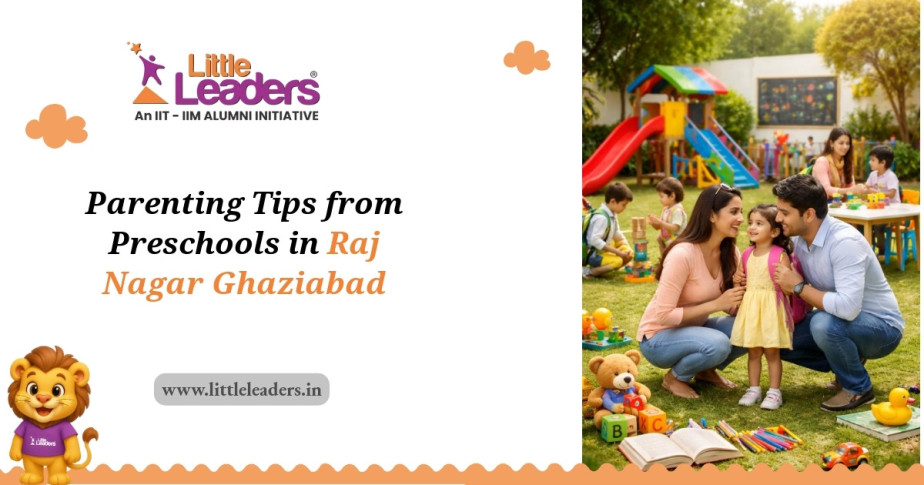
Many parents in Raj Nagar Ghaziabad believe that preschool is just a place for kids to play while they work. This common misconception overlooks the rich learning environment preschools actually provide. Parenting tips from preschools in Raj Nagar Ghaziabad reveal that these early years are crucial for your child's social, emotional, and cognitive growth. Understanding what really happens in these classrooms can change how you support your childâs development at home.
By exploring some myths and truths shared by local preschools, youâll discover practical ways to enhance your parenting approach. This article will walk you through key insights that can help you connect better with your childâs preschool experience and make the most of those formative years.
Many parents think preschool is mainly about kids having fun and socializing. While play is a big part of the day, itâs far from just free time. In Raj Nagar Ghaziabad preschools, play is carefully designed to develop skills like problem-solving, language, and cooperation. For example, when 4-year-old Aarav builds a block tower, heâs learning balance, spatial awareness, and patience. Teachers guide these activities to nurture curiosity and critical thinking.
In addition to block building, preschools often incorporate various play-based learning activities such as sensory bins filled with rice or beans, where children can explore textures and practice fine motor skills. These activities are not merely for entertainment; they are foundational experiences that promote cognitive development. For instance, while playing with clay, children can learn about shapes and develop hand strength, which is essential for writing later on.
Takeaway: Encourage your childâs play at home by asking open-ended questions like, âWhat are you building?â or âHow did you decide where to put that block?â This supports the learning happening at preschool. You might also consider investing in educational toys like LEGO sets or art supplies that stimulate creativity and problem-solving.
Some parents delay introducing letters and numbers, thinking preschool is too early. However, preschools in Raj Nagar Ghaziabad integrate early literacy and numeracy in fun, age-appropriate ways. For instance, during storytime, children like 3-year-old Meera learn new words and sentence patterns. Counting games and songs help them grasp numbers naturally. These early exposures build a strong foundation without pressure.
Moreover, many preschools use interactive storytelling techniques, such as puppetry or props, to engage children and enhance their comprehension skills. Activities like singing the alphabet song or counting objects during snack time can seamlessly introduce academic concepts into daily routines. This approach helps children associate learning with enjoyment, making them more receptive to new information.
Takeaway: Read daily with your child and include counting in everyday activities like setting the table or sorting laundry. This reinforces what they learn at preschool. Consider using educational apps or games that focus on letters and numbers, such as ABCmouse or Starfall, to make learning even more engaging.
Itâs easy to assume kids will just pick up sharing and cooperation on their own. Yet, preschools in Raj Nagar Ghaziabad actively teach social skills through guided interactions. Teachers model empathy, turn-taking, and conflict resolution. When 5-year-old Riya struggles to share a toy, a teacher helps her express feelings and find a solution. These lessons are vital for emotional intelligence and friendships.
Additionally, preschools often organize group activities like circle time or collaborative art projects, where children must work together to achieve a common goal. These experiences teach them the importance of teamwork and respect for others' ideas. Parents can reinforce these lessons at home by encouraging playdates or group activities where children can practice these skills in a safe environment.
Takeaway: Talk with your child about feelings and role-play social situations. Praising kindness and patience at home strengthens these skills. You might also consider using storybooks that focus on friendship and sharing, such as âThe Rainbow Fishâ or âLlama Llama Time to Share,â to spark discussions about social interactions.
Preschools in Raj Nagar Ghaziabad offer parenting tips that go beyond academics. They emphasize routines, healthy habits, and emotional support. For example, teachers suggest consistent bedtime schedules to help children feel secure and ready to learn. They also encourage parents to celebrate small achievements to boost confidence. These holistic tips create a nurturing environment both at school and home.
Moreover, preschools often provide resources on nutrition and physical activity, emphasizing the importance of a balanced diet and regular exercise for young children. Parents are encouraged to involve their children in meal preparation or outdoor play, fostering healthy habits that can last a lifetime. This approach not only supports physical health but also strengthens the parent-child bond.
Takeaway: Establish predictable routines and celebrate progress, no matter how small. This builds your childâs sense of stability and self-worth. Consider creating a family reward chart to track achievements, whether itâs mastering a new skill or simply being helpful around the house.
Not all preschools in Raj Nagar Ghaziabad are alike. Some focus on play-based learning, others on Montessori or thematic methods. Understanding your preschoolâs philosophy helps you align your parenting style. For example, if your child attends a Montessori-inspired school, you might encourage independence by letting them dress themselves or choose activities at home. This consistency supports your childâs growth.
Additionally, some preschools may incorporate technology into their curriculum, using tablets or interactive whiteboards to enhance learning. Familiarizing yourself with your preschool's specific approach allows you to reinforce these concepts at home. If your childâs school emphasizes nature-based learning, consider planning outdoor activities or nature walks to complement their experiences.
Takeaway: Learn about your childâs preschool approach and adapt your home routines to complement it. This partnership enhances learning and comfort. You can also communicate regularly with teachers to stay informed about your childâs progress and any specific areas where you can provide additional support at home.
Seeing preschool through the lens of these myths and truths opens up new ways to support your child. Imagine your little one coming home excited to share what they built, counted, or learned about feelings. With these parenting tips from preschools in Raj Nagar Ghaziabad, you can create a home environment that echoes the positive experiences of their school day.
For more insights and resources tailored to your childâs early years, LittleLeaders.in is a wonderful place to explore. Youâll find guidance that feels like advice from a trusted friend, helping you feel confident and connected every step of the way. Their articles cover a wide range of topics, from developmental milestones to effective communication strategies, ensuring you have the tools you need to support your child's growth.
Simple daily activities like reading together, playing counting games, and discussing feelings can reinforce what your child learns at preschool. Consistency and engagement make a big difference. You might also consider creating a dedicated learning space at home with educational materials and resources that reflect what your child is learning in preschool.
Consider the schoolâs teaching approach, teacher qualifications, safety measures, and how well they communicate with parents. Visiting and observing a class can also help you decide. Additionally, look for preschools that offer parent workshops or resources, as these can be invaluable in helping you navigate your child's early education.
They use guided social interactions, role-playing, and teacher modeling to help children understand and express emotions, building empathy and social skills. Many preschools also incorporate mindfulness activities, such as breathing exercises or quiet reflection time, to help children manage their emotions and develop self-regulation skills.