
Loading...
Loading...





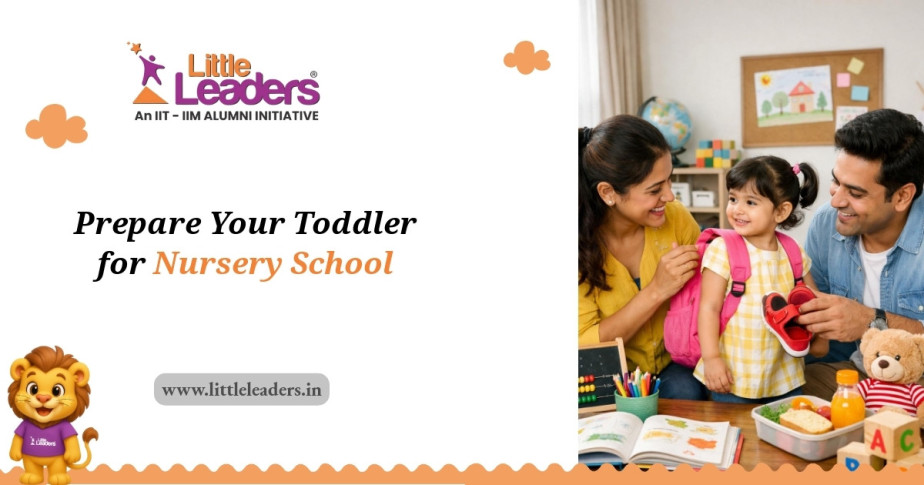
Imagine the morning rush: the sun is just peeking through the curtains, the aroma of freshly brewed coffee fills the air, and your little one is energetically bouncing around, excited yet a bit anxious about the new adventure awaiting them. The journey to prepare your toddler for nursery school is filled with emotions, both for you and your child. The transition from home to school is significant, and it is natural to wonder how best to support your toddler through this change. The first day can seem daunting, filled with new faces and unfamiliar surroundings, but it can also be an exciting opportunity for growth.
As parents, the thought of your child stepping out into the world can be daunting. You might find yourself questioning if they are ready, or how you can ease their path. The curiosity about what to expect and how to prepare your toddler for nursery school can weigh heavily on your mind. You are not alone in these concerns, and there are practical steps you can take to make this transition smoother. It is important to remember that every child is unique, and their readiness for nursery school may vary.
By the end of this guide, you will have a clear understanding of how to effectively prepare your toddler for nursery school. You will learn valuable tips and insights to ensure that both you and your child are ready for this new chapter. From understanding the emotional needs of your toddler to practical actions you can take today, this guide will equip you with the tools you need. You will feel more confident in navigating this journey together.
Explore the key steps in preparing your toddler for nursery school:
It is crucial to recognize the emotions your toddler might experience as they prepare for nursery school. Children at this age are highly perceptive and can sense changes in their environment. They might feel excited, anxious, or even scared about starting school. Understanding these emotions and reassuring your child will help ease the transition. For instance, four-year-old Aanya was initially hesitant about attending nursery school. Her parents noticed her withdrawal and addressed it by talking about the fun activities she would engage in and the new friends she would make. This open dialogue helped Aanya feel more comfortable and excited about the prospect of school. You can also create a safe space for your child to express their feelings, perhaps by setting aside time each day to talk about their thoughts and emotions.
As a parent, encourage your child to express their feelings. Listen attentively and validate their emotions. This approach not only builds trust but also helps your child feel supported and understood. You can use visual aids, like emotion charts, to help your child identify and articulate their feelings. This strategy can be particularly effective for younger children who may struggle to express complex emotions verbally. By guiding them through this process, you are equipping them with the tools to navigate their feelings effectively.
Establishing a consistent routine is a cornerstone in preparing your toddler for nursery school. Children thrive on predictability, and a routine helps them understand what to expect each day. Start by setting regular bedtimes and wake-up times to align with the school schedule. Incorporate activities such as reading time, play sessions, and meal times into the daily routine. Five-year-old Veer, for example, struggled with the early morning rush. His parents introduced a morning routine that included having breakfast together and discussing what he looked forward to at school that day. This routine not only made mornings smoother but also helped Veer approach school with enthusiasm. You might consider using a visual schedule with pictures to help your child see what comes next in their day.
Consistency is key. By maintaining a routine, you are helping your child develop a sense of security and confidence, which will be beneficial as they start nursery school. Additionally, involve your child in creating the routine. Ask them what activities they would like to include, making them feel more invested in the process. This engagement can foster a sense of ownership and responsibility, making them more likely to adhere to the routine.
A positive environment at home can greatly influence your childs readiness for nursery school. This involves more than just physical space; it includes emotional and mental support as well. Create a learning space filled with books, puzzles, and educational toys that stimulate your childs curiosity. As one mother put it, having a dedicated corner with colorful books and art supplies encouraged her child to explore and learn independently. This environment fosters a love for learning and prepares your child for the structured learning they will experience at nursery school. You can also incorporate sensory elements, such as soft cushions or bright colors, to make the space inviting and engaging.
Moreover, engage with your child in discussions about school. Share your own school experiences, highlight the fun aspects, and build anticipation. Positive reinforcement and encouragement can make a significant difference in your childs attitude towards starting school. Create a countdown to the first day of school, marking off each day with a fun activity or treat. This not only builds excitement but also helps your child visualize the approaching change in a positive light.
Social skills are essential as your toddler prepares for nursery school. Children need to learn how to interact with peers, share, and communicate effectively. These skills will help them build friendships and navigate social situations at school. Organize playdates with other children to give your toddler the opportunity to practice these skills. Encourage them to share toys, take turns, and express themselves clearly. Through these interactions, your child will learn valuable lessons about cooperation and empathy. You can also incorporate group activities, such as team games or collaborative art projects, to foster teamwork.
Additionally, role-playing different scenarios can be a fun and effective way to teach social skills. Create pretend situations where your child can practice greeting others, asking for help, or resolving conflicts. These activities will boost their confidence and readiness for social interactions at nursery school. You might set up a small puppet show at home where your child can practice dialogues with characters, helping them learn how to communicate effectively in various situations.
Encouraging independence in your toddler is another important step in preparing them for nursery school. Simple tasks like dressing themselves, packing their bag, or tidying up after playtime can foster a sense of responsibility and self-reliance. For instance, Aanyas parents encouraged her to choose her clothes for the day and pack her own school bag. This not only made Aanya feel more in control but also taught her essential life skills. You can also create a checklist for your child to follow in the morning, helping them take ownership of their routine.
Support your child in taking on small responsibilities and praise their efforts. This encouragement will help them feel capable and ready to tackle the new challenges that nursery school will bring. Allow your child to make choices about their snacks or activities, fostering a sense of autonomy. When they feel empowered to make decisions, they will be more confident in their abilities as they transition into the school environment.
The first day of nursery school is a milestone moment for both you and your child. To ensure a smooth start, prepare in advance. Visit the school with your child before the first day to familiarize them with the environment. Meet the teachers and staff, and let your child explore the classroom and play areas. This familiarity can significantly reduce anxiety. Discuss the school routine with your child and practice it at home. Role-play scenarios like saying goodbye at the school gate or finding their classroom. This preparation will help your child feel more comfortable and less anxious on the first day.
On the day itself, maintain a calm and positive demeanor. Your child will pick up on your emotions, so express excitement and confidence as you drop them off. This positivity will set the tone for a successful start to their nursery school journey. You might consider packing a small comfort item, like a favorite toy or a family photo, to help ease any nerves. This item can serve as a reminder of home, providing comfort during the transition.
Separation anxiety is common among toddlers starting nursery school. It is important to approach this with patience and understanding. Gradual separation can help ease anxiety. Start by leaving your child with a trusted caregiver for short periods, gradually increasing the duration. When seven-year-old Veer first started nursery school, his parents practiced short separations by leaving him at a friends house for playdates. This helped Veer become more comfortable being away from his parents and prepared him for school. You might also consider setting up a special goodbye ritual that is consistent and comforting, helping your child know what to expect.
Reassure your child that you will return and emphasize the fun they will have at school. Establish a goodbye routine that is consistent and comforting. Over time, your child will adjust to the new routine and feel more secure in their school environment. Remind them that many other children are also feeling the same way, and it is normal to have mixed emotions about starting school. This understanding can help normalize their feelings and reduce anxiety.
One common mistake parents make when preparing their toddlers for nursery school is underestimating the importance of emotional readiness. Parents often focus solely on practical skills, such as potty training or learning the alphabet, while neglecting to address their childs emotional needs. Emotional readiness is just as crucial as practical skills. To avoid this mistake, take the time to have open conversations with your child about their feelings and fears regarding school. Encourage them to express themselves and validate their emotions, helping them feel heard and understood. Another mistake is not establishing a consistent routine before school starts. Routines provide children with a sense of security and predictability, which can ease the transition into nursery school.
To avoid these pitfalls, start preparing your child emotionally and practically well in advance. Create a schedule that mimics the school routine, allowing your child to adjust gradually. This proactive approach will help them feel more confident and secure as they embark on this new journey.
As your child prepares for nursery school, it is important to observe signs of progress that indicate they are ready for this new chapter. One key sign is their willingness to engage in conversations about school. If your child expresses curiosity about what they will learn or the friends they will make, it shows they are starting to embrace the idea of nursery school. Another sign to watch for is their ability to independently complete simple tasks, such as dressing themselves or packing their bag. These small acts of independence demonstrate that your child is developing the skills necessary for school.
Additionally, monitor their social interactions with peers. If your child is initiating playdates or expressing a desire to spend time with other children, it indicates they are ready to build friendships and navigate social dynamics. Celebrate these milestones, as they reflect your childs growing confidence and readiness for the nursery school environment.
As your child embarks on their nursery school journey, remember that this is a significant step for both of you. By preparing effectively, you are setting the stage for a positive and enriching experience. Embrace this opportunity to support your childs growth and development. Imagine the scene on the first day of school: your child walks confidently into the classroom, waving goodbye with a smile, ready to embark on this exciting adventure. For more insights and resources, visit LittleLeaders.in.
Talk to your child about the fun activities and new friends they will make at school. Share positive stories and visit the school together to build excitement. You can also create a countdown to the first day, marking off each day with a fun activity or treat to build anticipation.
Listen to your childs concerns and reassure them. Gradually introduce them to the school environment by visiting the school and meeting the teachers. Practice separation through short periods away from you, helping them build confidence. Role-playing scenarios can also help ease their fears.
Observe your childs social and emotional development. If they show interest in playing with peers, can follow simple instructions, and express themselves, they are likely ready for nursery school. Additionally, if they demonstrate independence in tasks like dressing themselves, it is a positive sign of readiness.
Start with gradual separations by leaving your child with a trusted caregiver for short periods. Establish a consistent goodbye routine that is comforting. Reassure your child that you will return and emphasize the fun they will have at school. Over time, this will help them adjust to being apart from you.
If your child shows persistent signs of anxiety, such as excessive crying or refusal to participate in activities, it may be time to seek extra support. Consider speaking with a pediatrician or child psychologist for guidance. Additionally, if your child struggles with social interactions or follows instructions, professional support can help address these challenges effectively.