Loading...
Loading...





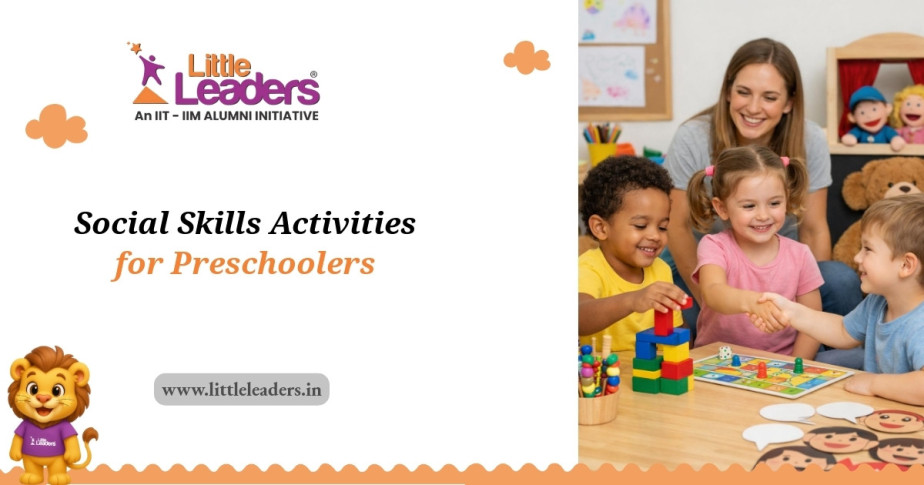
Imagine a room filled with laughter, colorful toys, and the joyful chatter of children. This is not just a playground; it is a learning ground where preschoolers are unknowingly building the foundation of their social skills. Social skills activities for preschoolers are more than just play; they are essential for the development of empathy, cooperation, and communication. In a world where social interactions are increasingly important, these foundational skills will serve children throughout their lives.
Parents often wonder how to best support their childs social development. The challenge lies in creating an environment that fosters these skills while keeping it fun and engaging. It can be overwhelming to find the right balance between structured activities and free play. For instance, consider how a parent might feel when their child struggles to make friends at school. This situation can be distressing, but with the right activities, parents can help their children thrive socially.
In this guide, you will discover a variety of social skills activities that are not only enjoyable but also highly effective. From group games to role-playing, these activities will help your child interact more confidently with peers and adults alike. The key is to make these activities enjoyable, so children look forward to participating.
Explore the sections below to find activities tailored for different age groups and developmental stages.
Social skills are the foundation of a childs ability to interact positively with others. These skills include sharing, taking turns, listening, and expressing emotions appropriately. For preschoolers, developing these skills is a gradual process that requires patience and practice. Young children learn best through play, observation, and imitation. By engaging in social activities, they begin to understand the nuances of communication and relationships. For example, four-year-old Maya learned to say please and thank you while playing with her friends during a tea party setup, where they pretended to serve each other imaginary food.
One common misconception is that children naturally develop social skills without any guidance. However, intentional activities can significantly enhance their ability to interact with peers. For instance, five-year-old Aanya struggled with sharing toys at the playground. Through guided play sessions at home, she learned to take turns and express her feelings, leading to more harmonious playdates. This example illustrates how structured activities can support a childs social growth.
For children aged two to four, social skills activities should focus on basic interactions and simple games. At this stage, children are learning to communicate verbally and understand simple instructions. Activities like Follow the Leader and Simon Says are excellent for teaching listening skills and following directions. A parent can easily set up a game of Follow the Leader in their living room, where they can take turns leading and following simple movements.
Consider a simple game of Pass the Ball. Gather a small group of children and have them sit in a circle. As the music plays, they pass a ball around. When the music stops, the child holding the ball shares something about themselves. This activity not only promotes sharing but also encourages children to speak in front of others. For instance, three-year-old Liam excitedly shared that he loves dinosaurs, which sparked a lively discussion among his peers.
One common mistake parents make is assuming that children will naturally learn social skills through free play without any guidance. While free play is important, children benefit greatly from structured activities that teach specific skills. For example, if a child consistently struggles with sharing, a parent might think they will eventually figure it out on their own. Instead, introducing games that emphasize sharing and taking turns can provide the necessary practice. Parents should also avoid comparing their childs social development to others, as every child progresses at their own pace.
As children grow, their social interactions become more complex. For ages four to six, activities that involve role-playing and cooperative play are beneficial. These activities help children understand different perspectives and work together towards common goals. For example, a group of children can engage in a role-playing game where they act out a restaurant scenario. Each child can take on different roles, such as a waiter, chef, or customer, allowing them to practice communication and teamwork.
Role-playing games, such as playing house or school, allow children to step into different roles and experiment with social scenarios. In these settings, children like six-year-old Riya can practice empathy by pretending to be a teacher or a parent, fostering a deeper understanding of social roles. Parents can enhance this experience by providing props, such as toy kitchen items or school supplies, to make the role-playing more immersive.
Understanding what to expect at different ages can help parents tailor activities to their childs developmental stage. At age three, children are beginning to engage in parallel play, where they play alongside other children but do not yet interact much. By age five, they start to engage in more cooperative play, sharing ideas and playing together. At age seven, children can handle more complex social dynamics, such as forming friendships and navigating conflicts. Recognizing these milestones allows parents to introduce appropriate activities that align with their childs development.
By the time children reach six to eight years old, they are ready for more structured social activities. Group projects and team sports are perfect for this age group, as they require cooperation and communication. Activities like building a fort together or playing a team sport such as soccer teach children to collaborate and resolve conflicts. Seven-year-old Veer, for example, thrives in team sports. He learns better when he can move around and interact with his peers. Through soccer, Veer has learned the importance of teamwork and the joy of shared success. Parents can encourage this by enrolling their children in local sports teams or community groups.
As children engage in social skills activities, parents should look for signs of progress. For example, children may begin to initiate play with peers, share toys more willingly, and express their feelings verbally. A child who previously struggled to take turns may start to wait patiently for their turn during games. Another sign of progress is improved conflict resolution skills; a child who once reacted with frustration may now use words to express their feelings and seek solutions. Celebrating these small victories can motivate children to continue developing their social skills.
Engaging in social skills activities offers numerous benefits for preschoolers. These activities help children develop emotional intelligence, improve communication skills, and build self-confidence. By participating in group activities, children learn to manage their emotions and respond to the feelings of others. For instance, during a group project, children may encounter disagreements, providing an opportunity to practice negotiation and compromise.
Moreover, these activities prepare children for future interactions in school and beyond. Socially adept children are more likely to form positive relationships, perform better academically, and adapt to new environments with ease. Imagine a scenario where a child confidently approaches a new group of peers on the playground, introducing themselves and making friends effortlessly. This scenario can become a reality through consistent engagement in social skills activities.
Parents play a crucial role in nurturing their childs social skills. Creating a supportive environment at home can significantly enhance a childs ability to interact socially. Simple practices like family game nights, open conversations, and encouraging playdates can make a big difference. For instance, a family game night can be a fun way to teach children about taking turns and following rules, all while enjoying quality time together.
Parents should also model positive social behaviors. Children learn by observing their parents, so demonstrating good communication, empathy, and conflict resolution is vital. Encouraging your child to express their feelings and listen to others will lay the groundwork for healthy social interactions. For example, a parent can demonstrate active listening during conversations, showing their child how to engage meaningfully with others.
Imagine the possibilities when your child becomes a confident communicator, able to navigate social situations with ease. Picture a scene where your child walks into a birthday party, greets other children with a smile, and joins in on games without hesitation. The journey begins with simple, engaging activities that foster social skills. Start today by exploring the resources available on LittleLeaders.in and create an enriching environment for your childs growth.
While most children develop social skills at their own pace, some may require additional support. Signs that a child may need extra help include persistent difficulty making friends, extreme shyness or aggression, or challenges understanding social cues. If a child consistently struggles with peer interactions or avoids social situations altogether, it may be beneficial to consult a child development specialist. Early intervention can provide targeted strategies that help children build confidence and improve their social skills.
Start with small group activities where your child feels comfortable. Encourage them to participate gradually and praise their efforts. Role-playing at home can also boost their confidence. For example, you might set up a scenario where your child practices introducing themselves to a new friend. This practice can help ease anxiety and build social skills.
Find activities that cater to their interests, whether it is art, music, or sports. Encourage one-on-one playdates to help them feel more comfortable in social settings. You might also consider enrolling them in classes related to their interests, which can provide opportunities for social interaction in a structured environment.
If your child consistently struggles with peer interactions, shows extreme shyness or aggression, or has difficulty understanding social cues, consider seeking advice from a child development specialist. Early assessment can provide insights into your childs specific needs and help you implement effective strategies for improvement.
Engage your child in activities that encourage sharing and cooperation, such as board games or collaborative art projects. Family game nights can also be a fun way to reinforce taking turns and following rules. Additionally, encourage your child to invite friends over for playdates, providing opportunities for social interaction in a familiar setting.
Watch for signs such as increased willingness to engage with peers, improved ability to share and take turns, and better conflict resolution skills. If your child starts to express their feelings verbally and initiate play with others, these are positive indicators of progress. Celebrating these achievements, no matter how small, can motivate your child to continue developing their social skills.