
Loading...
Loading...





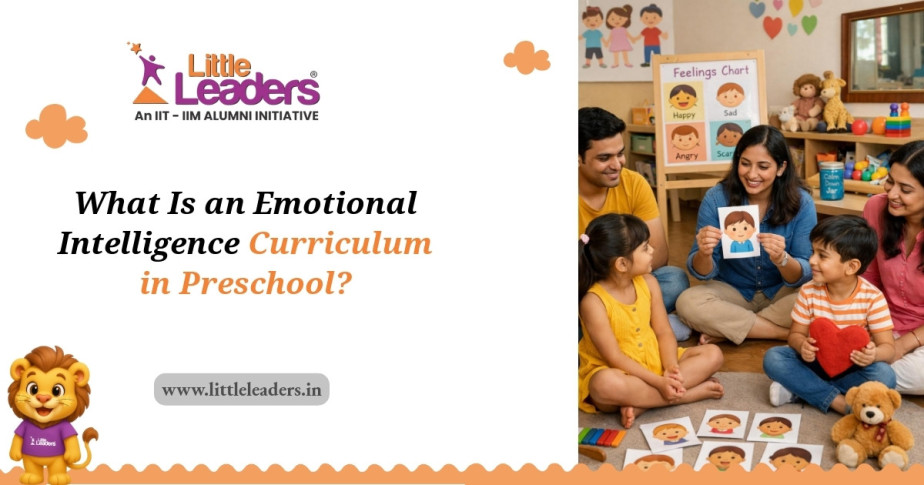
Imagine walking into a preschool classroom filled with the joyful sounds of children playing. In one corner, a group of kids is gathered around a teacher, learning how to express their feelings through colorful charts and playful activities. This is not just any classroom; it is one where the curriculum focuses on emotional intelligence, a concept that is rapidly gaining traction in early childhood education. What is an emotional intelligence curriculum in preschool? It is a structured approach to help children understand and manage their emotions, fostering essential social skills from a young age.
Many parents often wonder why emotional intelligence is crucial for their children. The curiosity stems from a desire to ensure their children develop not just academically but also emotionally and socially. Parents want to know how such a curriculum can impact their childs ability to navigate relationships, conflicts, and personal challenges. For instance, consider four year old Maya, who often became upset when her friends did not want to play the same games she did. With the help of an emotional intelligence curriculum, she learned to articulate her feelings and understand the perspectives of her peers, leading to more harmonious interactions.
In this article, you will discover the ins and outs of an emotional intelligence curriculum in preschool. You will learn about its components, how it benefits young learners, and practical examples of how it is implemented in classrooms. By the end, you will have a clear understanding of how this approach can positively influence your childs development.
Explore the sections below to understand the facets of emotional intelligence in preschool:
Emotional intelligence, often referred to as EQ, is the ability to recognize, understand, and manage ones emotions while also being able to empathize with others. In a preschool setting, this involves teaching children how to identify their feelings, express them appropriately, and interact positively with peers and adults. The foundation of emotional intelligence is built on five key elements: self-awareness, self-regulation, motivation, empathy, and social skills. For example, five year old Liam learned to recognize his feelings of frustration when he could not complete a puzzle. With guidance from his teacher, he began to express those feelings instead of acting out.
Preschools focusing on EQ aim to create an environment where children feel safe to express themselves and explore their emotions. For instance, teachers might use emotion cards to help children identify how they feel and why. This simple activity not only enhances vocabulary but also encourages self-reflection. Teachers also model emotional responses, showing children how to react to various situations calmly and thoughtfully. The classroom may be filled with bright colors and comforting sounds, creating a warm atmosphere conducive to learning about emotions.
By emphasizing emotional intelligence, preschools prepare children for future challenges. A child who can manage their emotions is more likely to succeed academically and socially, as they can focus better, collaborate with others, and handle stress effectively. This foundational skill set is crucial in todays fast-paced world.
An emotional intelligence curriculum in preschool typically includes several core components designed to build EQ skills systematically. These components often involve structured activities and free play focused on emotional literacy, self-regulation, and empathy development. For instance, during a lesson on emotional literacy, teachers might read a story about a character who feels sad and ask the children how they would feel in that situation.
One essential component is emotional literacy, which involves teaching children to recognize and name their emotions. Activities like storytime discussions where characters face emotional dilemmas help children relate to and understand different feelings. Another component is self-regulation, where children learn strategies to control impulses and calm themselves. Techniques such as deep breathing exercises and mindfulness are introduced in simple, playful ways. For example, during a calming session, children might close their eyes and imagine blowing up a big balloon, teaching them to take deep breaths and relax.
Empathy is also a critical focus. Teachers create scenarios where children practice understanding and sharing the feelings of others. Role-playing games, where children take turns acting out different roles, help develop this skill. Such activities encourage children to think about how others feel and respond with kindness and support. Seven year old Aria, for example, learned to comfort a friend who was upset by pretending to be the friend and expressing her own feelings in a supportive way.
The benefits of incorporating an emotional intelligence curriculum in preschool are vast and impactful. Children who develop strong EQ skills are better equipped to handle social interactions and emotional challenges. For example, children who learn to express their feelings are less likely to resort to tantrums or aggressive behavior when faced with frustration.
One significant benefit is improved social skills. Children learn to communicate more effectively, resolve conflicts peacefully, and build stronger relationships with peers. For example, five year old Aanya, who initially struggled with sharing toys, learned through EQ activities how to express her needs and negotiate with classmates, leading to more harmonious playtime. This newfound ability to articulate her feelings helped her form friendships and fostered a sense of belonging.
Another benefit is enhanced academic performance. Emotional intelligence helps children focus better and approach learning with a positive attitude. Studies have shown that children with high EQ tend to have better attention spans and are more motivated, which translates into academic success. For instance, a child who can manage their emotions is more likely to participate actively in class discussions, leading to a deeper understanding of the material.
Moreover, emotional intelligence fosters resilience. Children learn to cope with setbacks and view challenges as opportunities for growth. This mindset is crucial for lifelong learning and personal development. When faced with a difficult task, children with high emotional intelligence are more likely to persist rather than give up.
One common mistake parents make is dismissing their childs feelings as trivial or unimportant. For example, a parent might say, It is not a big deal when a child expresses sadness over a lost toy. This response can lead children to feel invalidated and may discourage them from expressing their emotions in the future. Instead, parents should acknowledge their childs feelings and help them articulate those emotions. A better response might be, I can see you are feeling sad about your toy. Would you like to talk about it?
Another mistake is not modeling emotional regulation. Parents who struggle to manage their own emotions may inadvertently teach their children that it is acceptable to react impulsively or express anger without restraint. Parents can avoid this by demonstrating healthy coping strategies, such as taking deep breaths or discussing their own feelings openly. By modeling these behaviors, parents can teach their children how to manage their emotions effectively.
Implementing an emotional intelligence curriculum in preschool classrooms requires a thoughtful approach. Teachers play a pivotal role in creating an environment that nurtures EQ development. Classrooms are often arranged to encourage open communication and collaboration. Teachers use circle time to discuss feelings and resolve conflicts collectively. Visual aids like emotion wheels and feeling charts are displayed prominently, serving as constant reminders for children to express their emotions.
Interactive activities are central to the curriculum. Teachers design games that require cooperation and empathy, such as building projects where children must work together to achieve a common goal. These activities not only teach EQ skills but also make learning fun and engaging. For example, during a group project, children might work together to create a mural, discussing their ideas and feelings about the artwork.
Seven year old Veer, for instance, found it challenging to sit still during lessons. His teacher incorporated activities that allowed him to move around while learning, such as acting out stories or participating in group dances. This approach not only catered to his learning style but also helped him manage his energy levels and emotions better. Teachers strive to create a dynamic and engaging environment that fosters emotional growth.
As children engage with an emotional intelligence curriculum, parents can look for specific signs of progress. One key indicator is the ability to articulate feelings. For example, a child may begin to express emotions like frustration or happiness using appropriate vocabulary. Five year old Noah, who previously struggled to communicate his feelings, started saying things like, I feel sad when my friend does not want to play with me.
Another sign is improved empathy. Parents might notice their child showing concern for others, such as asking a friend who appears upset if they are okay. Additionally, children may demonstrate better conflict resolution skills. For instance, instead of resorting to shouting or physical actions, they may use words to express their feelings and negotiate solutions. These developments indicate that the emotional intelligence curriculum is positively impacting the childs social interactions.
Real-life examples of emotional intelligence in action can illustrate the curriculums effectiveness. In one preschool, children participate in a weekly emotion circle where they share their feelings about various topics. This practice has led to a noticeable increase in empathy and understanding among students. For example, during one session, a child expressed feeling lonely at recess, prompting others to share similar experiences and offer support.
Another example involves a project where children create emotion journals. Each child is encouraged to draw or write about their daily emotions, which helps them process their feelings and reflect on their experiences. Teachers guide discussions based on these journals, fostering a deeper understanding of emotions and how to handle them. This practice not only aids in emotional reflection but also enhances writing and artistic skills.
Such activities demonstrate how an emotional intelligence curriculum can be seamlessly integrated into daily preschool routines, making EQ development a natural part of the learning process. Children learn to navigate their emotions in a supportive environment.
Parents play a crucial role in reinforcing emotional intelligence skills at home. Encouraging open conversations about feelings and modeling emotional regulation are effective ways to support the curriculum. One practical approach is to create a feelings chart at home. This tool allows children to point out their emotions and discuss them with parents, fostering communication and understanding. Another strategy is to read books together that explore emotions, using the stories as a springboard for discussions. For example, reading a story about a character who feels jealous can lead to a conversation about jealousy and how to handle it.
Parents can also practice emotional regulation techniques with their children. Simple activities like taking deep breaths together when emotions run high or creating a calm-down corner with comforting items can teach children how to manage their feelings effectively. Parents might fill this corner with soft pillows, calming books, and sensory toys. By actively participating in their childs emotional learning, parents can ensure that the skills learned in preschool are reinforced and applied in everyday situations.
While many children benefit from an emotional intelligence curriculum, some may require extra support. Signs that a child may need additional help include persistent difficulty in expressing emotions, frequent tantrums, or challenges in making friends. For instance, if a child regularly isolates themselves during playtime or struggles to interact with peers, it may indicate underlying emotional issues that require attention.
Additionally, if a child displays extreme emotional reactions that do not seem to match the situation, such as severe anxiety or aggression, it may be beneficial to consult a child psychologist or counselor. Early intervention can provide children with the tools they need to develop healthy emotional skills. Parents should not hesitate to seek support if they feel their child is struggling.
An emotional intelligence curriculum enhances a childs social skills by teaching them how to communicate effectively, empathize with others, and resolve conflicts peacefully. These skills are developed through activities that focus on emotional literacy and empathy, leading to improved interactions with peers and adults. For instance, children learn to express their feelings in words rather than actions, fostering better relationships.
Yes, parents can teach emotional intelligence at home by modeling emotional regulation, discussing feelings openly, and using tools like feelings charts. Reading books about emotions and practicing calming techniques together can also reinforce the skills learned in preschool. Parents should create an environment where feelings are acknowledged and validated, making it easier for children to express themselves.
Signs of developing emotional intelligence include the ability to identify and express emotions appropriately, empathy towards others, and effective conflict resolution. Children may also demonstrate improved focus and resilience in challenging situations. For example, a child who can articulate their feelings and understand those of others shows signs of strong emotional intelligence.
Parents can begin focusing on emotional intelligence as early as preschool age. At this stage, children are developing their social skills and learning to navigate their emotions. By introducing concepts of emotional literacy and empathy early on, parents can help their children build a strong foundation for future emotional development. Activities such as reading emotion-focused stories and discussing feelings can be beneficial.
There are numerous resources available for parents to support emotional intelligence development in their children. Books that focus on emotions, parenting guides on emotional intelligence, and online courses can provide valuable insights. Additionally, websites like LittleLeaders.in offer tips and activities for parents to engage with their children in meaningful discussions about emotions.
Embracing an emotional intelligence curriculum in preschool can transform the way children learn and interact. By equipping young learners with these essential skills, parents and educators can pave the way for a brighter, more emotionally intelligent future. Imagine a scene where a group of children, including five year old Sam, are playing together harmoniously, sharing toys and expressing their feelings openly. They communicate effectively, resolve conflicts with ease, and support one another, demonstrating the profound impact of emotional intelligence education. For more insights and resources on nurturing emotional intelligence in children, visit LittleLeaders.in.