Loading...
Loading...





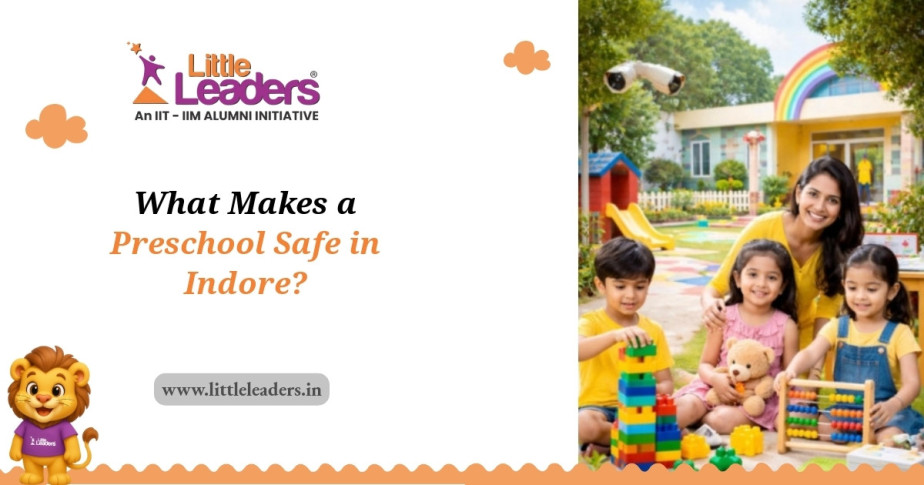
Many parents in Indore believe that a preschool's safety is only about locked gates and CCTV cameras. But the truth is far more nuanced. What makes a preschool safe in Indore goes beyond physical security; it's about the environment, the people, and the daily routines that protect and nurture your child. Take Aarav, a lively 3-year-old, whose mother once thought safety meant just visible guards. After a few weeks, she realized the real safety was in how teachers responded to his fears and how the classroom was designed to prevent accidents. Understanding these layers of safety can feel overwhelming, especially when you're juggling work and family life. This guide will walk you through the essential elements that truly make a preschool safe in Indore, helping you make confident choices for your child's early years.
Safety starts with the preschool's physical setup. Look for child-friendly furniture with rounded edges, non-slip flooring, and secure play areas. In Indore's climate, well-ventilated classrooms with natural light reduce illness risks. Check if the school has clear emergency exits and fire safety equipment. For example, Little Leaders Preschool in Indore ensures all classrooms have smoke detectors and conducts regular fire drills, giving parents peace of mind. Additionally, consider the outdoor play areas; they should be fenced and equipped with safe, age-appropriate equipment. Regular maintenance checks are crucial to ensure that all facilities remain in good condition. Parents can also inquire about the school's cleaning protocols to ensure that the environment remains hygienic and safe for children.
Teachers and caregivers are the heart of preschool safety. They must be trained not only in early childhood education but also in first aid and emergency response. Observe how staff interact with children'do they respond calmly to tantrums or injuries? A preschool in Indore that invests in continuous staff training creates a safer, more supportive environment. When Aarav's teacher noticed his hesitation during playtime, she gently encouraged him, showing how emotional safety is part of overall protection. It's also beneficial to ask about the staff-to-child ratio, as a lower ratio often means more individualized attention and care. Furthermore, preschools that conduct regular workshops on child psychology and safety protocols can provide an added layer of assurance for parents.
In a city like Indore, where seasonal changes can bring health challenges, hygiene is critical. Safe preschools maintain strict handwashing routines, sanitize toys daily, and have clear policies for sick children. Parents should ask about the school's approach to allergies and medication administration. For instance, a preschool that keeps detailed health records and communicates openly with parents helps prevent avoidable health incidents. Additionally, look for preschools that provide nutritious meals and snacks, as proper nutrition plays a vital role in a child's overall health. Schools that implement health screenings and regular check-ups can further ensure that children are fit and healthy to participate in daily activities.
How children arrive and leave school is a crucial safety point. A secure preschool in Indore will have a verified list of authorized adults for pick-up and use sign-in/sign-out logs. Some schools use digital attendance systems to track children in real-time. This reduces the risk of mix-ups or unauthorized access. When Aarav's mother switched to a preschool with strict pick-up protocols, she felt a new level of relief every afternoon. Parents should also inquire about the procedures for late pick-ups and how the school handles emergencies during drop-off and pick-up times. Implementing a buddy system for children during these transitions can also enhance safety.
Safety isn't just physical. Emotional safety means children feel secure, respected, and heard. Preschools that promote kindness, have anti-bullying policies, and encourage open communication create a nurturing atmosphere. In Indore, some preschools incorporate mindfulness and social-emotional learning, helping children like Aarav build confidence and resilience alongside safety. Programs that teach conflict resolution and emotional regulation can significantly contribute to a child's emotional well-being. Additionally, schools that offer regular feedback sessions for parents about their child's emotional development can foster a collaborative approach to emotional safety.
Finally, a safe preschool keeps parents in the loop. Regular updates, open houses, and accessible staff build trust. When you can visit anytime or receive daily reports, you feel connected and assured. Indore preschools that prioritize transparency empower parents to be active partners in their child's safety. Consider preschools that offer parent-teacher meetings and workshops on child development, as these can enhance your understanding of your child's needs. Moreover, schools that maintain an open-door policy and encourage parental feedback demonstrate their commitment to a safe and inclusive environment.
Choosing a preschool in Indore that truly prioritizes safety means looking beyond the obvious. It's about the whole ecosystem that surrounds your child every day. With these insights, you can find a place where your little leader not only stays safe but thrives.
Check for certifications from local education authorities, ask about staff training in first aid, and visit the school to observe safety measures firsthand. Reliable preschools will welcome your questions and provide documentation. Additionally, consider reaching out to other parents for their experiences and reviews, as firsthand accounts can provide valuable insights into the school's safety practices.
Heat and air quality can affect children's health, so look for well-ventilated spaces. Also, traffic around the school requires secure drop-off zones. Hygiene during monsoon season is another key focus. It's important to ensure that the school has a plan in place for managing weather-related challenges, such as flooding or extreme heat, to keep children safe and comfortable.
Stay engaged by attending meetings, communicating regularly with teachers, and reinforcing safety habits at home. Your involvement helps create a consistent safety net for your child. Additionally, consider volunteering for school events or committees, as this can provide deeper insights into the school's safety culture and practices.