
Loading...
Loading...





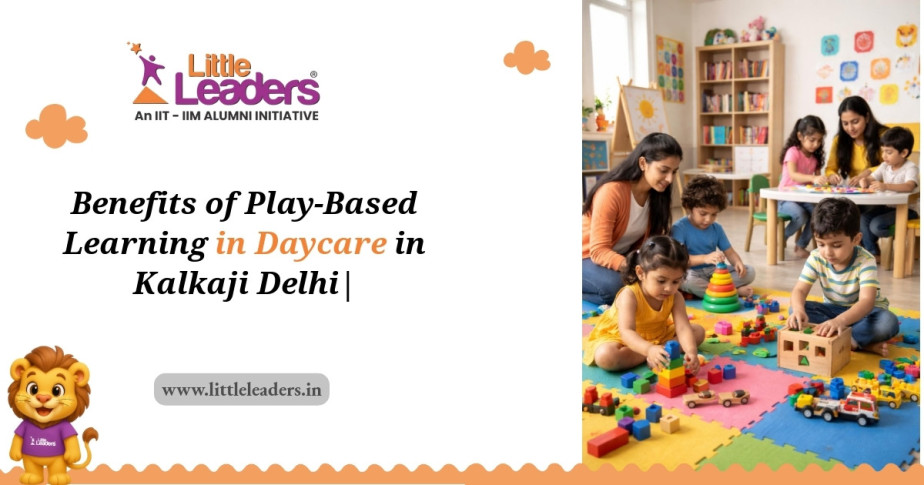
Many parents in Kalkaji Delhi believe that structured lessons are the only way to prepare their children for school success. But what if the real secret lies in something far more natural and joyful? Play-based learning in daycare is often misunderstood as just 'kids playing around,' yet research and real-life experiences show itâs a powerful foundation for your childâs growth. Imagine your little one, like Aarav, a curious three-year-old, discovering shapes and colors while building a tower of blocks, completely engaged and learning without pressure. This method of learning allows children to absorb knowledge in a way that feels organic and enjoyable, fostering a genuine love for learning that can last a lifetime.
This approach taps into how children naturally explore the world, making learning feel like an adventure rather than a chore. By the end of this read, youâll understand why play-based learning in daycare in Kalkaji Delhi isnât just funâitâs a vital step in your childâs development, and how you can spot the best programs that truly embrace this method. As we delve deeper, you will discover practical tips and real-world examples that illustrate the transformative power of play-based learning.
Play-based learning is more than just free time; itâs a carefully designed environment where play activities are intentionally used to develop skills. In daycares around Kalkaji Delhi, this means children engage in hands-on experiences that promote creativity, problem-solving, and social skills. For example, when children play pretend in a mini grocery store setup, they practice language, math, and cooperation all at once. This type of imaginative play not only enhances cognitive skills but also nurtures social interactions, as children learn to negotiate roles and share resources.
Unlike traditional rote learning, this method respects your childâs pace and interests. It encourages exploration and discovery, which builds confidence and a love for learning. Daycare educators trained in this approach observe and guide rather than dictate, making learning feel seamless and natural. For instance, a daycare that incorporates tools like LEGO Education kits allows children to build their own creations, fostering both creativity and engineering skills. This hands-on experience is invaluable, as it aligns with their natural curiosity and desire to explore.
One of the biggest benefits of play-based learning in daycare in Kalkaji Delhi is how it nurtures emotional intelligence. When children like Meera, age four, negotiate roles in a group game or share toys, they learn empathy, patience, and conflict resolution. These social skills are crucial for lifelong success but often overlooked in traditional classrooms. For example, during a collaborative art project, children learn to express their feelings and opinions while respecting othersâ ideas, fostering a sense of community and teamwork.
Play also provides a safe space for children to express feelings and work through challenges. For instance, a child might act out a scenario with dolls to process a recent change at home. This emotional processing through play helps children develop resilience and self-regulation, skills that will serve them well beyond daycare. Parents can further support this growth by encouraging their children to share their feelings and experiences at home, reinforcing the lessons learned during playtime.
Play-based learning stimulates brain development by encouraging children to think critically and creatively. Activities like puzzles, building blocks, and sensory play engage multiple areas of the brain simultaneously. In Kalkaji Delhi daycares that use this approach, children are often seen experimenting with cause and effect, testing hypotheses, and learning through trial and error. For example, when children engage in a science experiment that involves mixing colors, they not only learn about color theory but also develop critical thinking skills as they predict and observe outcomes.
Take Aarav again, who figured out how to balance blocks to build a taller tower. This simple act involves spatial awareness, fine motor skills, and problem-solving. These cognitive gains happen naturally when children are given the freedom to explore and make mistakes in a supportive environment. Parents can replicate this at home by providing open-ended materials, such as building sets or art supplies, that encourage creative exploration and independent thinking.
Not all daycares are created equal when it comes to play-based learning. Look for centers that prioritize child-led activities and have educators trained in early childhood development. Visit the daycare during active play sessions to see if children are engaged and happy, and if the environment is rich with diverse materials that invite exploration. For instance, a daycare that features a variety of learning stationsâsuch as a reading nook, an art corner, and a sensory play areaâcan provide a well-rounded experience for your child.
Ask about how the daycare balances guided activities with free play and how they communicate your childâs progress. A good play-based daycare will also involve parents, sharing insights and tips to continue learning at home. This partnership ensures your childâs experience is consistent and enriching. Websites like LittleLeaders.in can help you research and compare different daycare options in Kalkaji Delhi, making your search easier and more informed.
Supporting play-based learning doesnât stop at daycare. You can extend these benefits by creating playful learning moments at home. Simple activities like cooking together, nature walks, or storytelling spark curiosity and language skills. For example, when Aaravâs mother turned their kitchen into a mini science lab with safe experiments, he was thrilled to learn about mixing and reactions firsthand. This not only reinforced his learning but also created cherished memories of exploration and discovery.
Encourage your child to ask questions and explore their interests without rushing to correct or direct. This attitude nurtures independence and a lifelong love of discovery, reinforcing what they experience in daycare. Additionally, consider incorporating educational games and apps that promote play-based learning, such as Osmo or Tiggly, which blend digital interaction with hands-on activities.
Children who experience play-based learning in daycare in Kalkaji Delhi often show stronger academic readiness, better social skills, and higher self-esteem as they grow. These benefits donât just appear overnight but build steadily through consistent, joyful engagement. Parents like Neha have noticed how her daughterâs confidence blossomed after just a few months in a play-focused daycare, making transitions to formal schooling smoother and less stressful. The skills learned during these formative years lay the groundwork for future success in both academic and social settings.
By choosing a daycare that values play as a learning tool, youâre giving your child a head start that goes beyond textbooksâone that prepares them for real-world challenges with creativity and resilience. Resources like LittleLeaders.in offer guidance on finding the best play-based learning daycares in Kalkaji Delhi and provide support for your childâs growth every step of the way.
Play-based learning encourages children to communicate, ask questions, and express ideas during activities like role-play and storytelling, which naturally enhances vocabulary and language development. For instance, engaging in a puppet show can help children articulate their thoughts and practice new words in a fun context.
Look for a daycare with trained educators, a variety of play materials, child-led activities, and a warm environment where your child seems engaged and happy during playtime. Additionally, inquire about their curriculum and how they integrate play into daily learning experiences.
Yes, play-based learning adapts to different developmental stages, offering age-appropriate activities that support growth from toddlers to preschoolers in daycare settings. This flexibility ensures that each child can thrive at their own pace, making learning enjoyable and effective.