Loading...
Loading...

Nullam dignissim, ante scelerisque the is euismod fermentum odio sem semper the is erat, a feugiat leo urna eget eros. Duis Aenean a imperdiet risus.



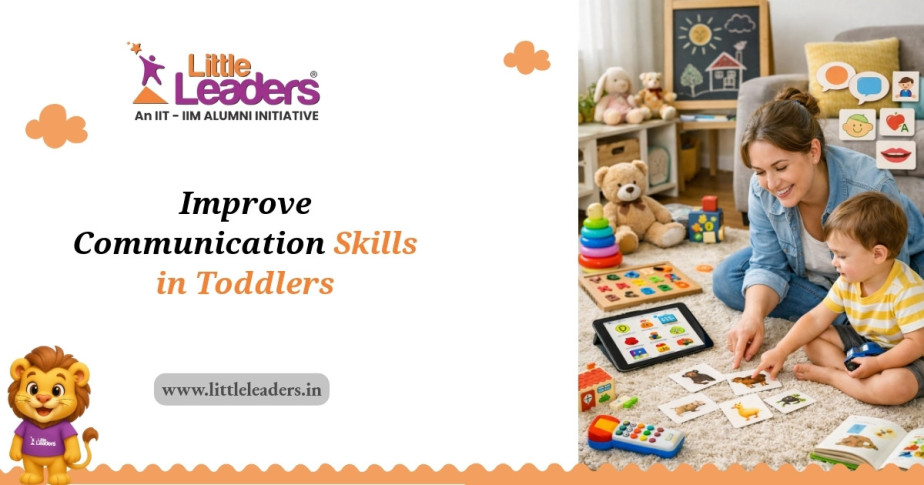
Imagine a world where your toddler can express their needs and emotions clearly. Improving communication skills in toddlers is a journey worth embarking on. The ability to communicate effectively is a crucial skill that lays the foundation for future social relationships and academic success. As you navigate through this dynamic phase of your childs life, understanding how to nurture these skills can make all the difference.
Parents often find themselves wondering how to enhance their childs communication abilities. It can be challenging to decipher the best methods, especially when faced with the vast array of parenting advice available. The key is to focus on practical strategies that are both engaging and effective, ensuring that your child feels supported and encouraged.
In this guide, you will discover actionable steps to foster communication in your toddler. From understanding the developmental milestones to implementing daily practices, you will walk away equipped with the knowledge to support your childs growth. Let us explore the ways to improve communication skills in toddlers, ensuring they have a strong foundation for the future.
Explore the sections below to uncover strategies for enhancing your toddlers communication skills.
Every child develops at their own pace, and understanding the typical communication milestones can provide reassurance and guidance. By the age of two, most toddlers begin to string words together to form simple sentences. They start to understand basic instructions and can identify familiar objects and people. Recognizing these milestones helps parents set realistic expectations and identify any areas where their child may need additional support.
Aanya, a two-year-old, delights her parents with her newfound ability to name her favorite toys and express simple desires, such as asking for a snack. This stage is crucial for laying the groundwork for more complex language skills. Encouraging your child to use words instead of gestures can significantly enhance their verbal abilities. Consider making a game out of naming objects around the house. For example, while playing in the living room, you can ask your child to point to and name items like the couch, the television, or their favorite stuffed animal.
Parents can support their childs development by engaging in regular conversations, reading together, and introducing new vocabulary in a natural context. Consistency is key, and creating a language-rich environment can make a significant impact on your childs progress. For instance, during mealtime, parents can describe the food, its colors, and textures, encouraging toddlers to engage and express their preferences.
Incorporating play into learning is a highly effective way to improve communication skills in toddlers. Simple activities can provide opportunities for your child to practice language and express themselves creatively. For instance, role-playing games allow toddlers to explore different scenarios and use new words in context.
Consider setting up a pretend play area where your child can act out daily routines or imaginary adventures. This not only enhances vocabulary but also encourages social interaction and problem-solving skills. Singing songs and rhymes together is another excellent method to introduce rhythm and repetition, which are essential for language development. You can create a fun atmosphere by using props or instruments, allowing your child to feel the music and engage with it on a deeper level.
Veer, a three-year-old, enjoys playing the role of a shopkeeper, where he interacts with his parents as customers. This game helps him practice greetings, polite phrases, and counting, all while having fun. Such activities create a positive association with learning and communication. You can also introduce themed days, such as pirate day or superhero day, where your child can dress up and use language related to the theme, enhancing vocabulary through imaginative play.
Parents play a pivotal role in nurturing their childs communication skills. Being an active participant in conversations and showing genuine interest in your childs thoughts and feelings can foster a supportive environment. Responding to your childs attempts to communicate, even when they are not clear, encourages them to keep trying. For example, if your child says something like doggy instead of dog, you can respond by saying Yes, that is a big dog. This reinforces their attempt while gently correcting them.
Reading aloud is a powerful tool for language development. Choose books that captivate your childs interest and engage them by asking questions about the story. This not only enhances comprehension but also introduces new vocabulary and sentence structures. You can encourage your child to predict what will happen next in the story, which promotes critical thinking and language skills.
Creating a routine that includes dedicated time for storytelling or discussing daily activities can strengthen the bond between you and your child while promoting language skills. Celebrate their efforts and progress, making communication a rewarding experience. For instance, after reading a story, you can ask your child to retell it in their own words, allowing them to practice narrative skills.
One common mistake parents make is not providing enough opportunities for their toddlers to express themselves. Many parents may unintentionally dominate conversations, leaving little room for their child to contribute. It is essential to create an environment where your toddler feels comfortable sharing their thoughts and feelings. You can achieve this by asking open-ended questions, such as What was your favorite part of today? or How did that make you feel? This encourages your child to elaborate and practice their language skills.
Another mistake is using overly complex language. While it is beneficial to introduce new vocabulary, using words that are too advanced can confuse toddlers. Instead, use simple and clear language that your child can understand. For example, instead of saying It is time to commence our journey to the playground, you can say Let us go to the park now. This clarity helps toddlers grasp language more effectively.
As your child develops their communication skills, there are several signs of progress to watch for. By the age of three, most toddlers can use three to four-word sentences and can be understood by familiar adults. If you notice your child beginning to ask questions, such as What is that? or Where is my toy?, this is a significant indicator of their growing curiosity and language skills.
At age four, you may observe your child engaging in more complex conversations, using descriptive words, and sharing stories about their day. If they begin to express their emotions verbally, such as saying I am sad or I am happy, this shows they are developing emotional language. You can encourage this development by validating their feelings and prompting them to explain why they feel that way.
By age five, children typically start to use longer sentences and can recount events in order. They may begin to use language to negotiate and express their opinions. If your child starts to tell jokes or use rhymes, it indicates a deeper understanding of language and its nuances. Celebrate these milestones to reinforce their progress.
It is not uncommon for toddlers to face communication challenges, whether due to shyness, frustration, or developmental delays. Patience and understanding are crucial in these situations. Identifying the root cause of the difficulty can help in addressing it effectively. If your child appears withdrawn or reluctant to speak, consider creating a more relaxed and pressure-free environment. Encouragement and positive reinforcement can boost their confidence in expressing themselves. Additionally, consulting with a speech therapist may provide valuable insights and strategies tailored to your childs needs.
For instance, if a child struggles with pronunciation, breaking words down into smaller parts and practicing them slowly can be beneficial. Consistent practice and a supportive atmosphere can help overcome these hurdles. You can also create a game out of pronunciation by using fun sounds or silly voices to make practice enjoyable.
There are numerous tools and resources available to assist parents in enhancing their toddlers communication skills. Educational toys, such as puzzles and building blocks, can stimulate language development by encouraging descriptive language and storytelling. Look for toys that require your child to explain their actions or describe what they are building.
Technology also offers a variety of apps and online resources designed to support language learning in young children. These tools often include interactive games and activities that make learning enjoyable and engaging. However, it is essential to balance screen time with hands-on experiences and face-to-face interactions. Combining traditional methods with modern technology can provide a well-rounded approach to language development. You can set specific times for technology use, ensuring that it complements rather than replaces personal interactions.
Hearing about the experiences of other parents can provide inspiration and reassurance. Maya, a four-year-old, initially struggled with expressing her emotions verbally. Her parents decided to incorporate daily storytelling sessions where Maya could narrate her favorite tales. Over time, her vocabulary expanded, and she became more confident in sharing her feelings. They also introduced a feelings chart, allowing Maya to point to images representing her emotions when she struggled to find the words.
Similarly, Aryan, a five-year-old, benefited from interactive games that encouraged him to describe objects and actions. His parents noticed significant improvement in his ability to communicate with peers and adults alike. They would play games like I Spy, which required Aryan to use descriptive language to identify objects, further enhancing his vocabulary and communication skills.
These success stories highlight the importance of persistence and creativity in overcoming communication barriers. Every child is unique, and finding the right approach can lead to remarkable progress. Celebrate each small victory, as they contribute to your child becoming a confident communicator.
While many toddlers develop communication skills at their own pace, there are times when it may be necessary to seek extra support. If your child is not meeting typical milestones, such as not using any words by age two or not combining words by age three, it may be beneficial to consult a pediatrician or speech-language pathologist. They can evaluate your child and provide guidance on the next steps.
Additionally, if you notice persistent frustration or behavioral issues related to communication, such as tantrums when trying to express needs, this may indicate a deeper issue that requires professional help. Early intervention can be crucial in addressing communication challenges and providing the necessary support for your child to thrive.
Encouraging your toddler to speak more involves creating a language-rich environment. Engage in regular conversations, ask open-ended questions, and provide opportunities for your child to express themselves. Reading together and playing interactive games can also stimulate language development. Remember to give your child time to respond and show enthusiasm for their attempts to communicate.
If your toddler is not speaking yet, it is important to remain patient and supportive. Consult with a pediatrician or speech therapist to rule out any underlying issues. Meanwhile, continue to engage your child in conversations, read aloud, and encourage non-verbal communication through gestures and expressions. You can also model language by narrating your actions throughout the day.
Yes, there are toys designed to support language development in toddlers. Look for toys that encourage imaginative play, such as dolls, playsets, and puppets. Educational toys like puzzles and building blocks can also promote descriptive language and storytelling skills. Choose toys that require your child to describe their play, enhancing their vocabulary and communication skills.
Signs of progress in your toddlers communication skills include an increase in vocabulary, the ability to form longer sentences, and improved clarity in speech. If your child begins to ask questions, express emotions verbally, and engage in conversations, these are all positive indicators. Celebrate these milestones, as they show your childs growth and development in communication.
Play is a vital component of language development. Through play, toddlers can practice new vocabulary, experiment with language structures, and engage in social interactions. Activities such as role-playing, singing songs, and storytelling provide opportunities for children to explore language in a fun and engaging way. Encouraging play that involves communication can significantly enhance your childs language skills.
Improving communication skills in toddlers is a journey that requires patience, creativity, and dedication. By implementing the strategies discussed in this guide, you can support your childs growth and pave the way for a bright future. Imagine a scene where your toddler confidently shares a story about their day with friends, using expressive language and engaging gestures. This vision can become a reality with the right support and encouragement. Remember, LittleLeaders.in is here as a valuable resource to guide you through every step of your parenting journey.