Loading...
Loading...





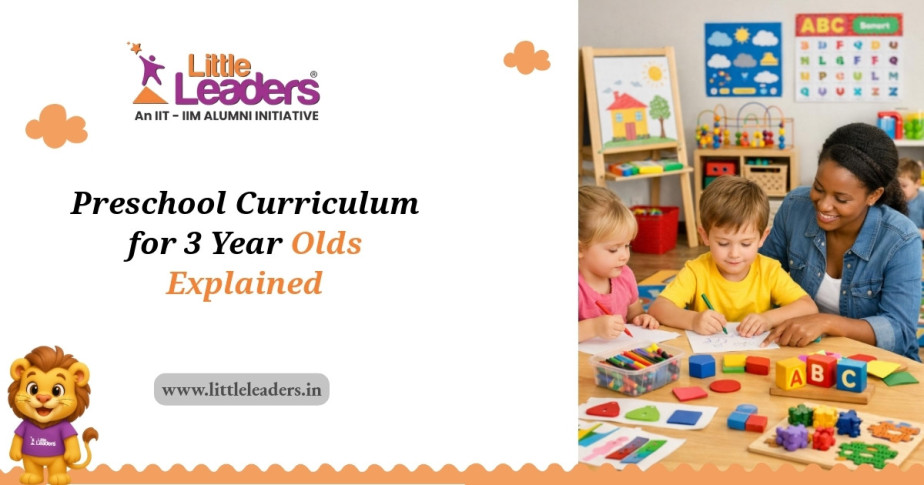
Imagine entering a room filled with colorful blocks, soft toys, and the sound of cheerful giggles. This is the vibrant world of preschool where the curriculum for 3 year olds is carefully crafted to nurture their growing minds. The preschool curriculum for 3 year olds explained in detail can be the key to unlocking a childs potential in these formative years.
Many parents find themselves wondering what exactly their child will learn in preschool. Will it be play all day, or will there be structured learning? This curiosity often stems from wanting the best for their childs early education. Understanding the preschool curriculum for 3 year olds is essential for parents who want to ensure their child receives a balanced foundation for future learning.
In this article, you will discover the components of a well-rounded preschool curriculum, understand how it supports your childs development, and learn how to choose the right preschool. With this knowledge, you will feel confident in making informed decisions about your childs educational journey.
Explore the sections below to understand the preschool curriculum for 3 year olds:
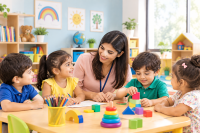
The foundation of preschool learning lies in creating an environment where children feel safe and encouraged to explore. For 3 year olds, the world is a new and exciting place filled with endless possibilities. Preschool provides a structured yet flexible space where they can learn through play and interaction. The classroom is often bright and inviting, with colorful artwork adorning the walls and playful learning stations set up throughout the room.
At this age, children are naturally curious and eager to learn. A preschool curriculum designed for 3 year olds focuses on developing their cognitive, motor, and social skills. It includes activities that promote language development, basic math concepts, and creative expression. For example, during circle time, children might sing songs that encourage them to clap along, helping them develop coordination while having fun.
One of the primary goals of preschool is to foster a love for learning. By introducing children to new concepts in a fun and engaging way, preschools lay the groundwork for lifelong learning. The curriculum is designed to cater to the individual needs of each child, ensuring that they are challenged and supported at their own pace. Parents can support this foundation by reading to their children at home and encouraging them to ask questions about the world around them.
The preschool curriculum for 3 year olds is a blend of various components that work together to support a childs development. These components include language and literacy, mathematics, science, art, and physical education. Each aspect plays a vital role in the overall growth of the child.
Language and literacy are integral parts of the curriculum. Children are introduced to new vocabulary, storytelling, and early reading skills. Through songs, rhymes, and picture books, they develop a love for language and communication. For instance, during storytime, a teacher might use puppets to act out a tale, capturing the childrens attention and encouraging them to participate by repeating phrases or answering questions.
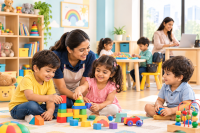
Mathematics is introduced through hands-on activities that involve sorting, counting, and pattern recognition. These activities help children understand basic math concepts and develop problem-solving skills. A practical activity could involve using colorful blocks to build towers while counting how many blocks are used, making math tangible and enjoyable.
Science is explored through observation and experimentation. Children learn about the world around them by engaging in activities that involve nature, weather, and simple experiments. For example, a teacher might take the children outside to observe different plants and animals, encouraging them to discuss what they see and feel.
Art and creativity play a crucial role in the preschool curriculum. Children are encouraged to express themselves through drawing, painting, and crafting. This not only enhances their creativity but also develops fine motor skills. A fun activity could involve finger painting, where children get to explore colors and textures while creating their own masterpieces.
Play is an essential component of the preschool curriculum for 3 year olds. It is through play that children learn to interact with others, solve problems, and develop their imagination. Play-based learning allows children to explore their interests and learn at their own pace. The sounds of laughter and chatter fill the air as children engage in various activities, from building with blocks to pretending to cook in a play kitchen.
In a preschool setting, play is integrated into the daily routine. Activities such as building blocks, role-playing, and outdoor games are designed to promote learning through play. These activities help children develop social skills, improve coordination, and enhance their creativity. For example, five year old Aanya refused her math worksheet last Tuesday until her father turned it into a playful game of counting toys. Suddenly, what seemed like a chore became an exciting challenge that she was eager to tackle. This highlights the importance of incorporating playful approaches into learning.
Parents can also encourage play-based learning at home by providing various toys and materials that stimulate creativity and problem-solving. For instance, setting up a small art station with crayons, paper, and craft supplies can inspire children to create and explore their artistic abilities.
Social and emotional development is a critical aspect of the preschool curriculum. At 3 years old, children are learning to navigate their emotions and interact with others. Preschool provides a supportive environment where children can practice these skills. The classroom often has designated areas for cooperative play, allowing children to engage with their peers in meaningful ways.
Through group activities and collaborative play, children learn to share, take turns, and communicate with their peers. They also learn to recognize and manage their emotions, which is essential for developing empathy and building relationships. For example, seven year old Veer learns better when he can pace around the room. His teacher noticed this and allowed him to move during storytime, which significantly improved his engagement and comprehension. This individualized approach can make a significant difference in a childs learning experience.
Parents can support their childs social and emotional development by encouraging playdates and group activities outside of school. These experiences allow children to practice their social skills in different environments and with various peers. Additionally, discussing feelings and emotions with children can help them articulate their thoughts and understand the feelings of others.
One common mistake parents make is assuming that preschool is solely about academic learning. While foundational skills are important, the social and emotional aspects of learning are equally crucial. Parents should recognize that preschool is a time for children to develop their interpersonal skills and emotional intelligence. To avoid this mistake, parents can engage with their childs teachers to understand the curriculum and the emphasis on play and socialization.
Another mistake is not allowing enough time for free play at home. Structured activities are beneficial, but children also need unstructured time to explore their interests and develop creativity. Parents can set aside time each day for their child to engage in free play, whether it is through art, building, or imaginative play. This balance ensures that children receive a holistic educational experience.
As children progress through preschool, there are several signs of development that parents can watch for. One sign is an improvement in language skills. Parents may notice their child using more complex sentences, expanding their vocabulary, and expressing thoughts more clearly. Another sign is an increase in independence. Children may begin to dress themselves, follow simple instructions, and show confidence in making choices.
Socially, signs of progress include the ability to share and take turns during play, as well as forming friendships with peers. Emotional development can be observed through a childs ability to express their feelings and cope with disappointment or frustration. Parents can support this progress by providing positive reinforcement and encouraging open communication about feelings and experiences.
Choosing the right preschool is a crucial decision for parents. It is important to consider factors such as the curriculum, teaching methods, and the overall environment of the preschool. A good preschool should provide a balance between structured learning and play-based activities. Parents should look for a preschool that emphasizes social and emotional development alongside academic skills.
Visiting the preschool, meeting the teachers, and observing the classrooms can give parents a better understanding of what to expect. It is also helpful to talk to other parents and read reviews to gather insights into the preschools reputation. Parents can ask specific questions about how the curriculum supports different areas of development and how teachers engage with children.
Ultimately, the right preschool is one that aligns with your educational values and supports your childs individual needs. It should be a place where your child feels safe, happy, and eager to learn. Parents should trust their instincts and choose an environment that resonates with their familys values.
Real-life examples and stories can provide valuable insights into the preschool experience. For instance, Aanyas father turned math into a playful game, showing how creativity can enhance learning. Similarly, Veers teacher adapted storytime to suit his learning style, demonstrating the importance of personalized teaching methods. These stories highlight the significance of flexibility and creativity in the preschool curriculum.
Another example is three year old Mia, who struggled with sharing during playtime. Her teacher introduced a game that required children to work together to build a tower, encouraging collaboration and teaching Mia the importance of taking turns. Over time, Mia became more comfortable sharing and developed friendships with her classmates. These experiences emphasize the role of teachers in supporting each childs unique learning journey.
Look for a curriculum that balances structured learning with play-based activities, supports social and emotional development, and caters to individual learning styles. It is important that the curriculum engages children in various ways to foster their love for learning.
Signs of readiness include the ability to follow simple instructions, communicate needs, interact with peers, and show curiosity about learning and exploring. If your child expresses excitement about going to school and enjoys being around other children, these are good indicators of readiness.
Parents play a supportive role by encouraging learning at home, communicating with teachers, and reinforcing skills and concepts introduced in preschool. Engaging in activities such as reading together and discussing daily experiences can enhance the learning process.
If you notice that your child is struggling with social interactions, language development, or emotional regulation, it may be time to seek extra support. Consulting with teachers or child development specialists can provide guidance on appropriate resources and strategies to help your child succeed.
Supporting your childs learning at home can be achieved through simple activities such as reading together, engaging in educational games, and encouraging creative play. Establishing a daily routine that includes time for exploration and learning can significantly enhance your childs educational experience.
In conclusion, understanding the preschool curriculum for 3 year olds can empower parents to make informed decisions about their childs early education. By choosing the right preschool and supporting learning at home, parents can set their child on a path to success. Imagine a scene where your child, now confidently reading a book on their own, shares their favorite story with you, eyes shining with excitement. This is the journey of growth and discovery that begins with a solid preschool foundation. For more resources and guidance, visit LittleLeaders.in.