Loading...
Loading...





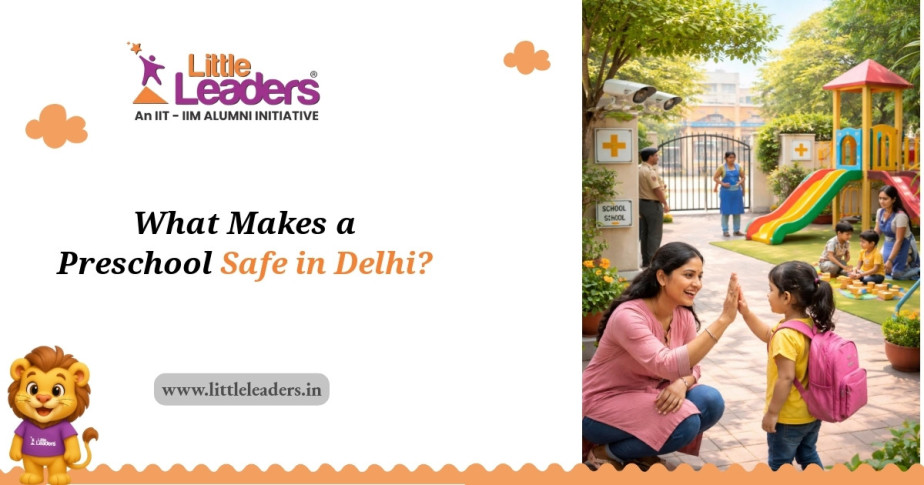
When I first started looking for a preschool in Delhi for my daughter Anaya, I thought safety was just about locked gates and friendly teachers. But one hectic morning, as I watched her settle into a classroom filled with bright colors and curious kids, I realized safety is so much more layered. Itâs about the little things you donât always see at first glanceâlike how a teacher handles a scraped knee or how the school manages entry and exit during rush hour. The environment is alive with laughter and learning, but itâs the underlying safety measures that truly create a nurturing space for our little ones.
What makes a preschool safe in Delhi isnât just a checklist of features; itâs a blend of environment, people, and policies working quietly together. Over the months, I learned to spot these signs and understand what truly protects and nurtures your child in those formative years. By the end of this read, youâll know exactly what to look for and how to feel confident about your preschool choice in Delhi. Youâll be equipped with insights that can help you make the best decision for your childâs early education.
Many parents, including myself initially, equate safety with physical securityâgates, CCTV cameras, and visitor logs. While these are essential, they only scratch the surface. A preschoolâs safety also depends on emotional security. For example, Anayaâs teacher, Ms. Ritu, always greets each child with warmth and patience, creating a calm atmosphere where kids feel secure to express themselves. Emotional safety reduces anxiety and helps children thrive. Itâs important to observe how teachers interact with children, as this can set the tone for a supportive learning environment. Look for preschools that emphasize social-emotional learning, as these programs can significantly enhance a child's sense of safety and belonging.
One afternoon, I noticed a small scuffle between two toddlers. Instead of scolding, the teacher calmly intervened, guiding them to use words and share toys. This approach comes from proper staff training in child behavior and conflict resolution. In Delhi, preschools that invest in regular training for their staff on first aid, emergency response, and child psychology stand out as truly safe environments. For instance, schools that partner with organizations like the Indian Academy of Pediatrics to conduct workshops on child safety and health can provide an added layer of assurance. Itâs also beneficial to ask about the frequency of these training sessions and whether they include practical drills to prepare staff for real-life situations.
Walking through the corridors of Anayaâs preschool, I saw child-sized furniture, soft corners, and bright, non-toxic paints. These details matter. A safe preschool in Delhi ensures the physical space is designed to prevent accidents and promote independence. Outdoor play areas are securely fenced, and classrooms have clear evacuation routes. These features protect children while encouraging exploration. Additionally, preschools that utilize safety products like corner guards and non-slip mats can further enhance the safety of their environments. When visiting, take note of the overall layout and whether it allows for easy supervision of children, as this is crucial for maintaining a safe atmosphere.
Delhiâs air quality and seasonal illnesses can be a concern. The preschoolâs strict hygiene routines, like regular handwashing, sanitizing toys, and monitoring childrenâs health daily, made me feel reassured. They also have clear policies for when a child is sick, minimizing the risk of spreading infections. These health protocols are a vital part of what makes a preschool safe in Delhi. For example, schools that implement daily health screenings and have a dedicated nurse on-site can provide parents with peace of mind. Furthermore, preschools that invest in air purifiers and maintain good ventilation can significantly reduce health risks associated with pollution and allergens.
One of the most comforting aspects of Anayaâs preschool is how they keep parents in the loop. Regular updates, parent-teacher meetings, and an open-door policy mean Iâm never out of touch with whatâs happening. This transparency builds trust and adds an extra layer of safety because parents and teachers work as a team. Engaging in school activities, volunteering for events, or simply being present during drop-off and pick-up times can enhance this partnership. Schools that utilize platforms like LittleLeaders.in to communicate with parents effectively can foster a stronger community and ensure that everyone is aligned on safety practices.
During a surprise fire drill, I saw how calmly the staff guided the children outside. They had clear plans and practiced them regularly. A preschool that prepares for emergencies with drills and clear communication is a preschool that values your childâs safety deeply. Itâs essential to inquire about the frequency of these drills and whether they include various scenarios, such as natural disasters or lockdown situations. Schools that collaborate with local fire departments or safety organizations to conduct these drills can provide an extra layer of preparedness.
From my experience, hereâs a quick checklist to help you evaluate safety: secure entry points, trained and caring staff, child-friendly physical spaces, strict health and hygiene policies, active parental communication, and emergency preparedness. Visiting the school during drop-off or pick-up times can reveal a lot about how these elements come together in real life. Additionally, consider asking for references from other parents and checking online reviews on platforms like LittleLeaders.in to gauge the experiences of others. This can provide valuable insights into the schoolâs safety culture.
Finding a safe preschool in Delhi is a journey filled with questions and observations. But with the right insights, you can choose a place where your child not only stays safe but also feels happy and confident every day. Remember, the goal is to find a preschool that aligns with your values and meets your child's needs.
LittleLeaders.in offers resources and reviews that can help you navigate this important decision with ease and assurance. Utilize their guides to compare different preschools and understand what safety measures they implement.
Take the next step by visiting a few preschools, asking about their safety measures, and trusting your instincts. Your childâs safe and joyful start is worth every effort. Donât hesitate to reach out to other parents for their experiences and recommendations, as community insights can be incredibly helpful.
Check for certifications from local education authorities, ask about staff training, and observe the schoolâs safety protocols during a visit. Talking to other parents can also provide valuable insights. Additionally, look for schools that are members of recognized educational associations, as this often indicates a commitment to maintaining high safety standards.
Look for regular sanitization, daily health checks, clear sick-child policies, and good ventilation. These help reduce illness risks, especially in Delhiâs changing climate. Schools that provide parents with health updates and resources on managing common illnesses can further enhance their safety protocols.
Active parental involvement through communication and participation in school activities strengthens safety. It creates a partnership that benefits your childâs well-being. Attend meetings, volunteer for events, and maintain open lines of communication with teachers to ensure that safety remains a priority.